Buy surfclub.eu ?
We are moving the project
surfclub.eu .
Are you interested in purchasing the domain
surfclub.eu ?
domain@kv-gmbh.de · 0541-91531010
Buy surfclub.eu ?
How many hours can you surf with a 1 GB surf stick?
The number of hours you can surf with a 1 GB surf stick depends on a few factors, such as the quality of the video and the websites you visit. On average, with a 1 GB surf stick, you can expect to surf the web for around 10-15 hours. However, if you are streaming high-definition videos or visiting websites with a lot of multimedia content, the data will be used up more quickly, resulting in fewer hours of surfing. It's always a good idea to monitor your data usage to ensure you don't exceed your limit. **
How much energy is needed to heat 1 kg of sand by 1 degree Celsius?
The specific heat capacity of sand is approximately 0.84 J/g°C. To calculate the energy needed to heat 1 kg of sand by 1 degree Celsius, we can use the formula: Energy = mass x specific heat capacity x temperature change. Plugging in the values, we get: Energy = 1000g x 0.84 J/g°C x 1°C = 840 J. Therefore, it would take 840 joules of energy to heat 1 kg of sand by 1 degree Celsius. **

Similar search terms for 1
Top-Angebote
Products related to 1:
-
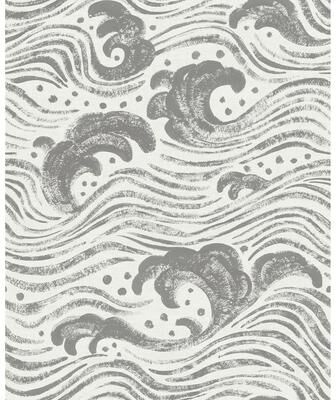
Inspire Essentials Japanese Great Wave Tapestry Red Sun Ocean Wall Hanging 1Transform your space into a calm yet powerful visual escape with this Japanese Great Wave Tapestry. Inspired by iconic ukiyo e artwork, this piece blends deep ocean tones with a bold red sun to create a striking focal point. Perfect for those who...34,98 $*Shipping: 0,00 $Secure redirect to the provider
-
Inspire Essentials Japanese Wave Wall Tapestry Red Sun Ocean Art Aesthetic Wall Hanging Decor 1Transform your space with the calming power of art through this Japanese wave tapestry inspired by timeless ocean landscapes and minimalist design. Featuring a bold red sun and flowing waves, it creates a peaceful yet striking focal point in any...34,98 $*Shipping: 0,00 $Secure redirect to the provider
-
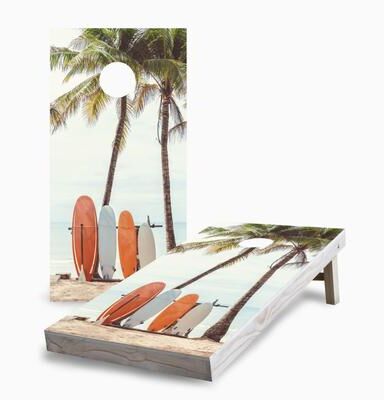
Skip's Garage Surf Board Beach Cornhole Boards"Includes: (2) Cornhole Boards & (8) Bags. Boards are Regulation Sized 24"" Wide x 48"" Long. Bags Will Complement The Board Colors. Easily Message Us Bag Color Requests. Easily Add a Carry Cases, Lights, or Both!"252,99 $*Shipping: 0,00 $Secure redirect to the provider


-
Should one mix the potting soil with sand in a 1:1 ratio for lavender?
Mixing potting soil with sand in a 1:1 ratio for lavender is not recommended. Lavender prefers well-draining soil, and while sand can improve drainage, a 1:1 ratio may lead to soil that is too sandy and does not hold enough moisture. It is better to mix potting soil with sand in a 1:2 or 1:3 ratio to ensure proper drainage while still retaining enough moisture for the lavender to thrive. Additionally, adding organic matter such as compost or peat moss can also help improve the soil structure for lavender. **
-
How much water can 1 kg of sand absorb?
The amount of water that 1 kg of sand can absorb depends on the type and size of the sand particles. Generally, 1 kg of sand can absorb around 0.3-0.5 liters of water. However, this can vary based on factors such as the porosity and density of the sand. It's important to note that different types of sand may have different absorption capacities. **
-
What is the difference between beach, shore, and coast?
The beach refers to the area of sand or pebbles along the shoreline where people can relax, play, or swim. The shore is the area where the land meets the water, including beaches, cliffs, or rocky areas. The coast is a broader term that encompasses the entire area where the land meets the sea, including beaches, shores, cliffs, and any other features along the coastline. **
-
How long can one surf for 1 GB in a month?
The amount of time one can surf the internet for 1 GB in a month depends on various factors such as the type of content being accessed and the quality of the content. Generally, 1 GB of data can allow for approximately 10 hours of web browsing, 6000 emails, 150 hours of music streaming, or 4 hours of video streaming at standard definition. However, high-definition video streaming can consume data at a much faster rate, allowing for significantly less time. It's important to monitor data usage and adjust internet habits accordingly to avoid exceeding the data limit. **


Do ocean currents always move in the direction of the tides?
No, ocean currents do not always move in the direction of the tides. While tides are primarily caused by the gravitational pull of the moon and the sun, ocean currents are influenced by a variety of factors such as wind patterns, temperature differences, and the Earth's rotation. Therefore, ocean currents can move in different directions than the tides, and their movements are more complex and varied. **
How are message in a bottle, ocean currents, and tides related?
Messages in a bottle, ocean currents, and tides are related through the movement of water in the ocean. When a message in a bottle is thrown into the ocean, it can be carried by ocean currents, which are large-scale movements of water caused by factors such as wind, temperature, and salinity. These currents can also be influenced by tides, which are the rise and fall of sea levels caused by the gravitational pull of the moon and the sun. Therefore, messages in a bottle can be carried by ocean currents and tides, traveling long distances across the ocean. **
Top-Angebote
Products related to 1:
-
Inspire Essentials Japanese Great Wave Tapestry Red Sun Ocean Wall Hanging 1Transform your space into a calm yet powerful visual escape with this Japanese Great Wave Tapestry. Inspired by iconic ukiyo e artwork, this piece blends deep ocean tones with a bold red sun to create a striking focal point. Perfect for those who...34,98 $*Shipping: 0,00 $Secure redirect to the provider
-
Inspire Essentials Japanese Wave Wall Tapestry Red Sun Ocean Art Aesthetic Wall Hanging Decor 1Transform your space with the calming power of art through this Japanese wave tapestry inspired by timeless ocean landscapes and minimalist design. Featuring a bold red sun and flowing waves, it creates a peaceful yet striking focal point in any...34,98 $*Shipping: 0,00 $Secure redirect to the provider
-
How many hours can you surf with a 1 GB surf stick?
The number of hours you can surf with a 1 GB surf stick depends on a few factors, such as the quality of the video and the websites you visit. On average, with a 1 GB surf stick, you can expect to surf the web for around 10-15 hours. However, if you are streaming high-definition videos or visiting websites with a lot of multimedia content, the data will be used up more quickly, resulting in fewer hours of surfing. It's always a good idea to monitor your data usage to ensure you don't exceed your limit. **
-
How much energy is needed to heat 1 kg of sand by 1 degree Celsius?
The specific heat capacity of sand is approximately 0.84 J/g°C. To calculate the energy needed to heat 1 kg of sand by 1 degree Celsius, we can use the formula: Energy = mass x specific heat capacity x temperature change. Plugging in the values, we get: Energy = 1000g x 0.84 J/g°C x 1°C = 840 J. Therefore, it would take 840 joules of energy to heat 1 kg of sand by 1 degree Celsius. **
-
Should one mix the potting soil with sand in a 1:1 ratio for lavender?
Mixing potting soil with sand in a 1:1 ratio for lavender is not recommended. Lavender prefers well-draining soil, and while sand can improve drainage, a 1:1 ratio may lead to soil that is too sandy and does not hold enough moisture. It is better to mix potting soil with sand in a 1:2 or 1:3 ratio to ensure proper drainage while still retaining enough moisture for the lavender to thrive. Additionally, adding organic matter such as compost or peat moss can also help improve the soil structure for lavender. **
-
How much water can 1 kg of sand absorb?
The amount of water that 1 kg of sand can absorb depends on the type and size of the sand particles. Generally, 1 kg of sand can absorb around 0.3-0.5 liters of water. However, this can vary based on factors such as the porosity and density of the sand. It's important to note that different types of sand may have different absorption capacities. **
Similar search terms for 1
-
Skip's Garage Surf Board Beach Cornhole Boards"Includes: (2) Cornhole Boards & (8) Bags. Boards are Regulation Sized 24"" Wide x 48"" Long. Bags Will Complement The Board Colors. Easily Message Us Bag Color Requests. Easily Add a Carry Cases, Lights, or Both!"252,99 $*Shipping: 0,00 $Secure redirect to the provider
-
Skip's Garage Surf Board Beach Cornhole Boards"Includes: (2) Cornhole Boards & (8) Bags. Boards are Regulation Sized 24"" Wide x 48"" Long. Bags Will Complement The Board Colors. Easily Message Us Bag Color Requests. Easily Add a Carry Cases, Lights, or Both!"304,49 $*Shipping: 0,00 $Secure redirect to the provider
-
Skip's Garage Surf Board Beach Cornhole Boards"Includes: (2) Cornhole Boards & (8) Bags. Boards are Regulation Sized 24"" Wide x 48"" Long. Bags Will Complement The Board Colors. Easily Message Us Bag Color Requests. Easily Add a Carry Cases, Lights, or Both!"304,49 $*Shipping: 0,00 $Secure redirect to the provider
-
What is the difference between beach, shore, and coast?
The beach refers to the area of sand or pebbles along the shoreline where people can relax, play, or swim. The shore is the area where the land meets the water, including beaches, cliffs, or rocky areas. The coast is a broader term that encompasses the entire area where the land meets the sea, including beaches, shores, cliffs, and any other features along the coastline. **
-
How long can one surf for 1 GB in a month?
The amount of time one can surf the internet for 1 GB in a month depends on various factors such as the type of content being accessed and the quality of the content. Generally, 1 GB of data can allow for approximately 10 hours of web browsing, 6000 emails, 150 hours of music streaming, or 4 hours of video streaming at standard definition. However, high-definition video streaming can consume data at a much faster rate, allowing for significantly less time. It's important to monitor data usage and adjust internet habits accordingly to avoid exceeding the data limit. **
-
Do ocean currents always move in the direction of the tides?
No, ocean currents do not always move in the direction of the tides. While tides are primarily caused by the gravitational pull of the moon and the sun, ocean currents are influenced by a variety of factors such as wind patterns, temperature differences, and the Earth's rotation. Therefore, ocean currents can move in different directions than the tides, and their movements are more complex and varied. **
-
How are message in a bottle, ocean currents, and tides related?
Messages in a bottle, ocean currents, and tides are related through the movement of water in the ocean. When a message in a bottle is thrown into the ocean, it can be carried by ocean currents, which are large-scale movements of water caused by factors such as wind, temperature, and salinity. These currents can also be influenced by tides, which are the rise and fall of sea levels caused by the gravitational pull of the moon and the sun. Therefore, messages in a bottle can be carried by ocean currents and tides, traveling long distances across the ocean. **
* All prices are inclusive of VAT and, if applicable, plus shipping costs. The offer information is based on the details provided by the respective shop and is updated through automated processes. Real-time updates do not occur, so deviations can occur in individual cases. ** Note: Parts of this content were created by AI.