Buy surfclub.eu ?
We are moving the project
surfclub.eu .
Are you interested in purchasing the domain
surfclub.eu ?
domain@kv-gmbh.de · 0541-91531010
Buy surfclub.eu ?
Which bond is more stable, the sigma or the pi bond?
The sigma bond is more stable than the pi bond. This is because the sigma bond is formed by the direct overlap of atomic orbitals along the internuclear axis, resulting in a strong and stable bond. On the other hand, the pi bond is formed by the side-to-side overlap of p orbitals, which is not as strong as the head-on overlap of the sigma bond. Therefore, the sigma bond is more stable and stronger than the pi bond. **
What is the difference between a pi and a sigma bond?
A pi bond is formed by the side-to-side overlap of two atomic orbitals, while a sigma bond is formed by the head-on overlap of two atomic orbitals. Pi bonds are weaker than sigma bonds because of the lesser overlap between the orbitals. Additionally, sigma bonds are always the first bond formed between two atoms in a molecule, while pi bonds are formed in addition to sigma bonds in double or triple bonds. **


Similar search terms for Pi-bond
Top-Angebote
Products related to Pi-bond:
-
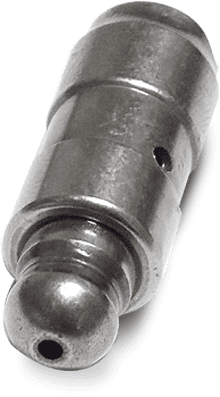
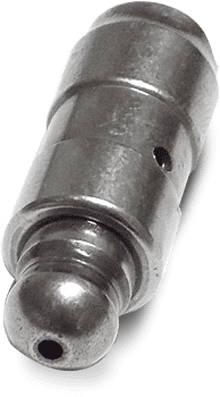
FRECCIA PI 06-0009 TappetFitting Position: Intake Side, Exhaust Side; Height: 68; Diameter: 21,400; Operating Mode: hydraulic; TecDoc Engine Number: 4811, 4737, 4749, 4734, 4810, 4740, 4812, 4735, 4742, 2734, 4813, 4750, 4752, 4751, 4754, 4744, 4819, 4787, 2736, 17568, 17574, 17581, 17618, 17623, 17622, 17570, 17573, 17571, 4718, 17553, 17619, 17552, 17621, 9506, 9507, 4753, 18375, 14008, 17620, 17630, 22052, 4719, 18901, 22482, 412, 410, 413, 24912, 341775,29 £*Shipping: 8,45 £Secure redirect to the provider
-
FRECCIA PI 06-0046 TappetFitting Position: Exhaust Side, Intake Side; Height: 29,900; Diameter: 12; Operating Mode: hydraulic; TecDoc Engine Number: 24934, 25076, 24936, 25101, 34209, 25564, 28251, 20893, 25563, 27048, 25084, 24069, 32308, 27050, 26581, 24546, 25562, 28249, 23516, 32319, 32311, 34215, 18564, 23766, 34865, 31969, 20086, 24547, 24723, 24728, 24067, 26999, 24725, 24724, 24694, 33157, 24695, 24933, 27999, 24702, 32314, 25065, 34208, 31763, 38530, 29266, 31847, 34216, 28090, 34220, 34221, 34218, 37260, 32419, 34223, 33001, 32757, 34487, 34217, 33800, 35299, 35077, 43020, 36124, 35373, 35838, 45125, 35384, 35529, 36121, 35973, 39239, 36116, 36095, 36096, 36185, 36198, 37231, 37232, 46540, 39371, 41184, 39705, 39706, 41489, 38654, 39241, 47552, 45699, 47617, 483897,99 £*Shipping: 8,45 £Secure redirect to the provider


-
What are the differences between an ionic bond, a metallic bond, and a covalent bond?
Ionic bonds involve the transfer of electrons from one atom to another, resulting in the attraction between oppositely charged ions. Metallic bonds involve the sharing of electrons among a sea of delocalized electrons, creating a strong bond between metal atoms. Covalent bonds involve the sharing of electrons between atoms to achieve a stable electron configuration. Each type of bond has different properties and strengths based on the way electrons are shared or transferred between atoms. **
-
What are the differences between a single bond, a double bond, and a triple bond?
A single bond involves the sharing of one pair of electrons between two atoms, while a double bond involves the sharing of two pairs of electrons. A triple bond involves the sharing of three pairs of electrons between two atoms. As the number of shared electron pairs increases, the bond becomes stronger and shorter. Additionally, double and triple bonds are typically found in molecules with carbon atoms, while single bonds are more common in organic compounds. **
-
What are the differences between a glycosidic bond, a peptide bond, and an ester bond?
Glycosidic bonds are formed between a sugar molecule and another molecule, such as another sugar or a non-carbohydrate compound. Peptide bonds are specific types of covalent bonds that link amino acids together in proteins. Ester bonds are formed between a carboxylic acid and an alcohol, resulting in the formation of an ester. Each of these bonds plays a crucial role in the structure and function of biological molecules, with glycosidic bonds being important in carbohydrates, peptide bonds in proteins, and ester bonds in lipids. **
-
Is ethanol an atomic bond or an ionic bond?
Ethanol is a molecular compound, meaning it is made up of covalent bonds. Covalent bonds are formed when atoms share electrons to achieve a stable electron configuration. In the case of ethanol, it is composed of carbon, hydrogen, and oxygen atoms bonded together through covalent bonds. Ionic bonds, on the other hand, are formed between ions with opposite charges. **


What is the bond angle in a peptide bond?
The bond angle in a peptide bond is approximately 120 degrees. This angle is due to the partial double bond character of the peptide bond, which is formed between the carbonyl carbon of one amino acid and the nitrogen of another amino acid. The resonance structure of the peptide bond results in a planar arrangement of the atoms, leading to the bond angle of approximately 120 degrees. **
'James Bond-Film'
The James Bond film series is a long-running franchise that follows the adventures of the fictional British Secret Service agent, James Bond. The films are known for their action-packed sequences, exotic locations, and sophisticated gadgets. The character of James Bond is portrayed as a suave and skilled spy who always saves the day while maintaining a cool demeanor. The franchise has been highly successful and has featured various actors in the role of James Bond, with each bringing their own unique interpretation to the character. **
Top-Angebote
Products related to Pi-bond:
-
FRECCIA PI 06-0009 TappetFitting Position: Intake Side, Exhaust Side; Height: 68; Diameter: 21,400; Operating Mode: hydraulic; TecDoc Engine Number: 4811, 4737, 4749, 4734, 4810, 4740, 4812, 4735, 4742, 2734, 4813, 4750, 4752, 4751, 4754, 4744, 4819, 4787, 2736, 17568, 17574, 17581, 17618, 17623, 17622, 17570, 17573, 17571, 4718, 17553, 17619, 17552, 17621, 9506, 9507, 4753, 18375, 14008, 17620, 17630, 22052, 4719, 18901, 22482, 412, 410, 413, 24912, 341775,29 £*Shipping: 8,45 £Secure redirect to the provider
-
Which bond is more stable, the sigma or the pi bond?
The sigma bond is more stable than the pi bond. This is because the sigma bond is formed by the direct overlap of atomic orbitals along the internuclear axis, resulting in a strong and stable bond. On the other hand, the pi bond is formed by the side-to-side overlap of p orbitals, which is not as strong as the head-on overlap of the sigma bond. Therefore, the sigma bond is more stable and stronger than the pi bond. **
-
What is the difference between a pi and a sigma bond?
A pi bond is formed by the side-to-side overlap of two atomic orbitals, while a sigma bond is formed by the head-on overlap of two atomic orbitals. Pi bonds are weaker than sigma bonds because of the lesser overlap between the orbitals. Additionally, sigma bonds are always the first bond formed between two atoms in a molecule, while pi bonds are formed in addition to sigma bonds in double or triple bonds. **
-
What are the differences between an ionic bond, a metallic bond, and a covalent bond?
Ionic bonds involve the transfer of electrons from one atom to another, resulting in the attraction between oppositely charged ions. Metallic bonds involve the sharing of electrons among a sea of delocalized electrons, creating a strong bond between metal atoms. Covalent bonds involve the sharing of electrons between atoms to achieve a stable electron configuration. Each type of bond has different properties and strengths based on the way electrons are shared or transferred between atoms. **
-
What are the differences between a single bond, a double bond, and a triple bond?
A single bond involves the sharing of one pair of electrons between two atoms, while a double bond involves the sharing of two pairs of electrons. A triple bond involves the sharing of three pairs of electrons between two atoms. As the number of shared electron pairs increases, the bond becomes stronger and shorter. Additionally, double and triple bonds are typically found in molecules with carbon atoms, while single bonds are more common in organic compounds. **
Similar search terms for Pi-bond
-
FRECCIA PI 06-0046 TappetFitting Position: Exhaust Side, Intake Side; Height: 29,900; Diameter: 12; Operating Mode: hydraulic; TecDoc Engine Number: 24934, 25076, 24936, 25101, 34209, 25564, 28251, 20893, 25563, 27048, 25084, 24069, 32308, 27050, 26581, 24546, 25562, 28249, 23516, 32319, 32311, 34215, 18564, 23766, 34865, 31969, 20086, 24547, 24723, 24728, 24067, 26999, 24725, 24724, 24694, 33157, 24695, 24933, 27999, 24702, 32314, 25065, 34208, 31763, 38530, 29266, 31847, 34216, 28090, 34220, 34221, 34218, 37260, 32419, 34223, 33001, 32757, 34487, 34217, 33800, 35299, 35077, 43020, 36124, 35373, 35838, 45125, 35384, 35529, 36121, 35973, 39239, 36116, 36095, 36096, 36185, 36198, 37231, 37232, 46540, 39371, 41184, 39705, 39706, 41489, 38654, 39241, 47552, 45699, 47617, 483897,99 £*Shipping: 8,45 £Secure redirect to the provider
-
What are the differences between a glycosidic bond, a peptide bond, and an ester bond?
Glycosidic bonds are formed between a sugar molecule and another molecule, such as another sugar or a non-carbohydrate compound. Peptide bonds are specific types of covalent bonds that link amino acids together in proteins. Ester bonds are formed between a carboxylic acid and an alcohol, resulting in the formation of an ester. Each of these bonds plays a crucial role in the structure and function of biological molecules, with glycosidic bonds being important in carbohydrates, peptide bonds in proteins, and ester bonds in lipids. **
-
Is ethanol an atomic bond or an ionic bond?
Ethanol is a molecular compound, meaning it is made up of covalent bonds. Covalent bonds are formed when atoms share electrons to achieve a stable electron configuration. In the case of ethanol, it is composed of carbon, hydrogen, and oxygen atoms bonded together through covalent bonds. Ionic bonds, on the other hand, are formed between ions with opposite charges. **
-
What is the bond angle in a peptide bond?
The bond angle in a peptide bond is approximately 120 degrees. This angle is due to the partial double bond character of the peptide bond, which is formed between the carbonyl carbon of one amino acid and the nitrogen of another amino acid. The resonance structure of the peptide bond results in a planar arrangement of the atoms, leading to the bond angle of approximately 120 degrees. **
-
'James Bond-Film'
The James Bond film series is a long-running franchise that follows the adventures of the fictional British Secret Service agent, James Bond. The films are known for their action-packed sequences, exotic locations, and sophisticated gadgets. The character of James Bond is portrayed as a suave and skilled spy who always saves the day while maintaining a cool demeanor. The franchise has been highly successful and has featured various actors in the role of James Bond, with each bringing their own unique interpretation to the character. **
* All prices are inclusive of VAT and, if applicable, plus shipping costs. The offer information is based on the details provided by the respective shop and is updated through automated processes. Real-time updates do not occur, so deviations can occur in individual cases. ** Note: Parts of this content were created by AI.