Buy surfclub.eu ?
We are moving the project
surfclub.eu .
Are you interested in purchasing the domain
surfclub.eu ?
domain@kv-gmbh.de · 0541-91531010
Buy surfclub.eu ?
Can terracotta crack?
Yes, terracotta can crack. Terracotta is a type of clay-based ceramic material that is porous and can be prone to cracking if not handled or maintained properly. Factors such as sudden changes in temperature, excessive moisture, or physical impact can cause terracotta to crack. To prevent cracking, it is important to handle terracotta items with care and avoid exposing them to extreme conditions. **
What is the difference between decorative sand and bird sand?
Decorative sand is typically used for decorative purposes such as filling vases, creating sand art, or adding texture to crafts. It is often colored and may be coated to give it a shiny or sparkly appearance. Bird sand, on the other hand, is specifically designed for use in bird cages and aviaries. It is natural, untreated sand that helps to aid digestion in birds by providing grit to help them break down food in their gizzards. Bird sand is not colored or coated and is intended for a functional purpose rather than decorative. **

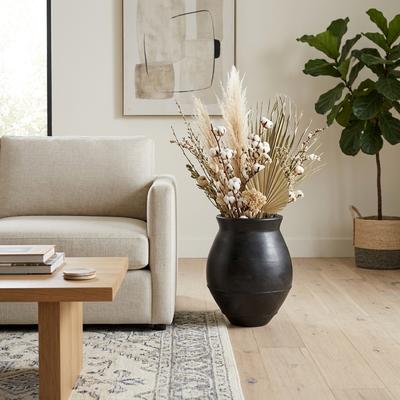
Similar search terms for Sagebrook-Home-Terracotta-Decorative
Top-Angebote
Products related to Sagebrook-Home-Terracotta-Decorative:
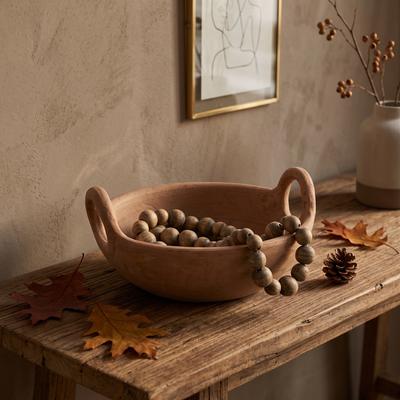
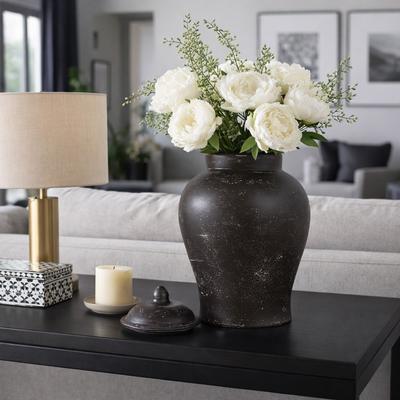

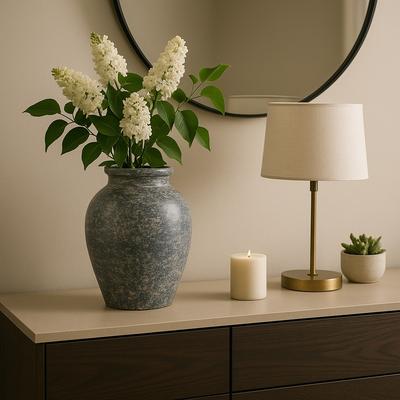
-
Can terracotta be biodegraded?
Terracotta is a type of clay-based ceramic material that is fired at high temperatures, making it non-biodegradable. It is a durable and long-lasting material that does not easily break down in the environment. While it can be recycled and repurposed, terracotta does not biodegrade naturally like organic materials such as wood or paper. Therefore, it is important to consider the environmental impact of terracotta products and to properly dispose of them through recycling or reusing. **
-
How can one remove decorative sand from dust?
To remove decorative sand from dust, you can use a vacuum cleaner with a brush attachment to gently suck up the dust and sand. Alternatively, you can use a soft-bristled brush to sweep the dust and sand into a dustpan and then dispose of it. Another option is to use a damp cloth to wipe the dust and sand away, being careful not to spread it around. It's important to handle the sand and dust carefully to avoid creating a bigger mess. **
-
How do I get terracotta color?
To achieve a terracotta color, you can mix equal parts of red and orange paint. Adjust the ratio of red and orange to get the desired shade of terracotta. You can also add a touch of brown or yellow to further customize the color. Experiment with different combinations until you achieve the perfect terracotta hue. **
-
Is a terracotta patio heater worth it?
A terracotta patio heater can be worth it for some people depending on their needs and preferences. Terracotta patio heaters are known for their aesthetic appeal and can add a stylish touch to outdoor spaces. They also provide a good amount of heat, making them effective for keeping outdoor areas warm during cooler evenings. However, they may not be as durable or long-lasting as other types of patio heaters, so it's important to consider how much use you will get out of it before making a decision. **


How do I clean terracotta pots again?
To clean terracotta pots, you can follow these steps: 1. Empty the pot of any soil and plants. 2. Use a stiff brush or scrubbing pad to remove any dirt or debris from the pot's surface. 3. Mix a solution of equal parts water and white vinegar or mild dish soap. 4. Use a sponge or cloth to scrub the pot with the cleaning solution, paying extra attention to any stubborn stains. 5. Rinse the pot thoroughly with clean water to remove any soap residue. 6. Allow the pot to air dry completely before using it again. It's important to note that terracotta pots are porous, so avoid using harsh chemicals or abrasive cleaners that could damage the pot's surface. **
Are terracotta pots allowed in the dishwasher?
No, terracotta pots are not recommended to be washed in the dishwasher. The high heat and harsh detergents used in dishwashers can damage the porous surface of the terracotta, causing it to become brittle and more prone to cracking. It is best to hand wash terracotta pots with mild soap and water to preserve their integrity and longevity. **
Top-Angebote
Products related to Sagebrook-Home-Terracotta-Decorative:
-
Sagebrook Home Decorative Vase - Terracotta Weathered RusticCrafted from pottery and terracotta with a softly weathered finish, this vase brings a relaxed, casual home feel to any setting and works beautifully as a small vase, outdoor vase, or striking table centerpiece.166,99 $*Shipping: 0,00 $Secure redirect to the provider
-
Can terracotta crack?
Yes, terracotta can crack. Terracotta is a type of clay-based ceramic material that is porous and can be prone to cracking if not handled or maintained properly. Factors such as sudden changes in temperature, excessive moisture, or physical impact can cause terracotta to crack. To prevent cracking, it is important to handle terracotta items with care and avoid exposing them to extreme conditions. **
-
What is the difference between decorative sand and bird sand?
Decorative sand is typically used for decorative purposes such as filling vases, creating sand art, or adding texture to crafts. It is often colored and may be coated to give it a shiny or sparkly appearance. Bird sand, on the other hand, is specifically designed for use in bird cages and aviaries. It is natural, untreated sand that helps to aid digestion in birds by providing grit to help them break down food in their gizzards. Bird sand is not colored or coated and is intended for a functional purpose rather than decorative. **
-
Can terracotta be biodegraded?
Terracotta is a type of clay-based ceramic material that is fired at high temperatures, making it non-biodegradable. It is a durable and long-lasting material that does not easily break down in the environment. While it can be recycled and repurposed, terracotta does not biodegrade naturally like organic materials such as wood or paper. Therefore, it is important to consider the environmental impact of terracotta products and to properly dispose of them through recycling or reusing. **
-
How can one remove decorative sand from dust?
To remove decorative sand from dust, you can use a vacuum cleaner with a brush attachment to gently suck up the dust and sand. Alternatively, you can use a soft-bristled brush to sweep the dust and sand into a dustpan and then dispose of it. Another option is to use a damp cloth to wipe the dust and sand away, being careful not to spread it around. It's important to handle the sand and dust carefully to avoid creating a bigger mess. **
Similar search terms for Sagebrook-Home-Terracotta-Decorative
-
How do I get terracotta color?
To achieve a terracotta color, you can mix equal parts of red and orange paint. Adjust the ratio of red and orange to get the desired shade of terracotta. You can also add a touch of brown or yellow to further customize the color. Experiment with different combinations until you achieve the perfect terracotta hue. **
-
Is a terracotta patio heater worth it?
A terracotta patio heater can be worth it for some people depending on their needs and preferences. Terracotta patio heaters are known for their aesthetic appeal and can add a stylish touch to outdoor spaces. They also provide a good amount of heat, making them effective for keeping outdoor areas warm during cooler evenings. However, they may not be as durable or long-lasting as other types of patio heaters, so it's important to consider how much use you will get out of it before making a decision. **
-
How do I clean terracotta pots again?
To clean terracotta pots, you can follow these steps: 1. Empty the pot of any soil and plants. 2. Use a stiff brush or scrubbing pad to remove any dirt or debris from the pot's surface. 3. Mix a solution of equal parts water and white vinegar or mild dish soap. 4. Use a sponge or cloth to scrub the pot with the cleaning solution, paying extra attention to any stubborn stains. 5. Rinse the pot thoroughly with clean water to remove any soap residue. 6. Allow the pot to air dry completely before using it again. It's important to note that terracotta pots are porous, so avoid using harsh chemicals or abrasive cleaners that could damage the pot's surface. **
-
Are terracotta pots allowed in the dishwasher?
No, terracotta pots are not recommended to be washed in the dishwasher. The high heat and harsh detergents used in dishwashers can damage the porous surface of the terracotta, causing it to become brittle and more prone to cracking. It is best to hand wash terracotta pots with mild soap and water to preserve their integrity and longevity. **
* All prices are inclusive of VAT and, if applicable, plus shipping costs. The offer information is based on the details provided by the respective shop and is updated through automated processes. Real-time updates do not occur, so deviations can occur in individual cases. ** Note: Parts of this content were created by AI.