Buy surfclub.eu ?
We are moving the project
surfclub.eu .
Are you interested in purchasing the domain
surfclub.eu ?
domain@kv-gmbh.de · 0541-91531010
Buy surfclub.eu ?
What percentage of relatedness is there with relatives?
The percentage of relatedness with relatives depends on the specific relationship. For example, siblings share about 50% of their genetic material, while parents and children share about 50% as well. Grandparents and grandchildren share about 25% of their genetic material. The percentage decreases as the degree of relatedness decreases, such as with cousins who share about 12.5% of their genetic material. Overall, the percentage of relatedness varies depending on the specific familial relationship. **
What percentage of relatedness is there with the uncle?
The percentage of relatedness with an uncle is 25%. This is because an uncle shares 25% of their DNA with their niece or nephew. This is because the uncle and the niece or nephew share one set of grandparents, which accounts for 25% of their genetic material being the same. **

Similar search terms for Relatedness
Top-Angebote
Products related to Relatedness:
-
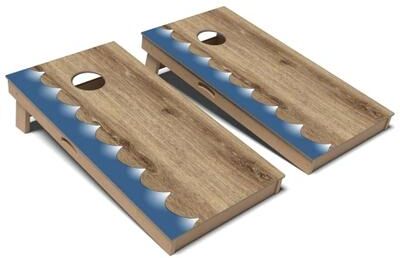
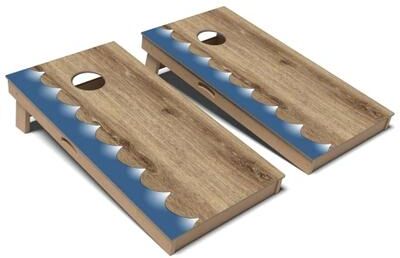
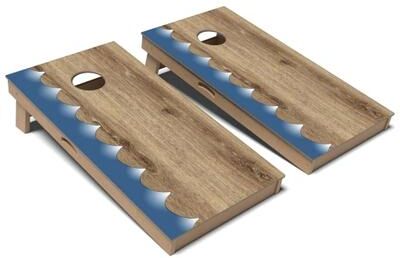
Skip's Garage Wave Surf Cornhole Board SetIncludes: (2) Cornhole Boards & (8) Bags. Easily Choose Your Board Size & Type. Bags Will Complement The Board Colors. Easily Message Us Bag Color Requests. Add Accessories like Carry Cases or LED Hole Lights.263,99 $*Shipping: 0,00 $Secure redirect to the provider
-
Skip's Garage Wave Surf Cornhole Board SetIncludes: (2) Cornhole Boards & (8) Bags. Easily Choose Your Board Size & Type. Bags Will Complement The Board Colors. Easily Message Us Bag Color Requests. Add Accessories like Carry Cases or LED Hole Lights.314,99 $*Shipping: 0,00 $Secure redirect to the provider
-
Skip's Garage Wave Surf Cornhole Board SetIncludes: (2) Cornhole Boards & (8) Bags. Easily Choose Your Board Size & Type. Bags Will Complement The Board Colors. Easily Message Us Bag Color Requests. Add Accessories like Carry Cases or LED Hole Lights.353,49 $*Shipping: 0,00 $Secure redirect to the provider

-
How can one represent the relatedness of bears using family trees in biology and evolution?
In biology and evolution, family trees can be used to represent the relatedness of bears by showing the evolutionary relationships between different species and subspecies. By constructing a family tree, scientists can visually depict the common ancestry and divergence of different bear species over time. This can help in understanding the evolutionary history of bears and how they are related to each other. Family trees can also show the genetic relatedness between different bear populations, providing insights into their genetic diversity and conservation. **
-
What methods for determining relatedness exist in evolution and genetics for the biology high school graduation exam?
In evolution and genetics, relatedness can be determined through various methods such as DNA sequencing, phylogenetic analysis, and genetic markers. DNA sequencing involves comparing the genetic material of different organisms to identify similarities and differences, which can help determine their relatedness. Phylogenetic analysis uses the evolutionary relationships between different species to infer their relatedness based on shared ancestry. Genetic markers, such as specific DNA sequences or alleles, can also be used to assess relatedness by comparing the presence or absence of these markers in different individuals or populations. These methods are important for understanding the evolutionary history and genetic relationships between different organisms, and are essential for studying biodiversity and species conservation. **
-
What is the difference between beach, shore, and coast?
The beach refers to the area of sand or pebbles along the shoreline where people can relax, play, or swim. The shore is the area where the land meets the water, including beaches, cliffs, or rocky areas. The coast is a broader term that encompasses the entire area where the land meets the sea, including beaches, shores, cliffs, and any other features along the coastline. **
-
Do ocean currents always move in the direction of the tides?
No, ocean currents do not always move in the direction of the tides. While tides are primarily caused by the gravitational pull of the moon and the sun, ocean currents are influenced by a variety of factors such as wind patterns, temperature differences, and the Earth's rotation. Therefore, ocean currents can move in different directions than the tides, and their movements are more complex and varied. **


How are message in a bottle, ocean currents, and tides related?
Messages in a bottle, ocean currents, and tides are related through the movement of water in the ocean. When a message in a bottle is thrown into the ocean, it can be carried by ocean currents, which are large-scale movements of water caused by factors such as wind, temperature, and salinity. These currents can also be influenced by tides, which are the rise and fall of sea levels caused by the gravitational pull of the moon and the sun. Therefore, messages in a bottle can be carried by ocean currents and tides, traveling long distances across the ocean. **
What is the difference between the botanical and biological concept of relatedness in plants, if such a concept exists?
The botanical concept of relatedness in plants refers to their classification based on their physical characteristics, such as their flower structure, leaf arrangement, and other morphological features. This concept is used to group plants into families, genera, and species based on their shared traits. On the other hand, the biological concept of relatedness in plants focuses on their genetic relationships and evolutionary history. This concept is based on DNA analysis and phylogenetic studies to determine how closely related different plant species are and how they have evolved over time. While both concepts aim to understand the relatedness of plants, the botanical concept focuses on physical traits, while the biological concept focuses on genetic and evolutionary relationships. **
Top-Angebote
Products related to Relatedness:
-
Skip's Garage Wave Surf Cornhole Board SetIncludes: (2) Cornhole Boards & (8) Bags. Easily Choose Your Board Size & Type. Bags Will Complement The Board Colors. Easily Message Us Bag Color Requests. Add Accessories like Carry Cases or LED Hole Lights.263,99 $*Shipping: 0,00 $Secure redirect to the provider
-
What percentage of relatedness is there with relatives?
The percentage of relatedness with relatives depends on the specific relationship. For example, siblings share about 50% of their genetic material, while parents and children share about 50% as well. Grandparents and grandchildren share about 25% of their genetic material. The percentage decreases as the degree of relatedness decreases, such as with cousins who share about 12.5% of their genetic material. Overall, the percentage of relatedness varies depending on the specific familial relationship. **
-
What percentage of relatedness is there with the uncle?
The percentage of relatedness with an uncle is 25%. This is because an uncle shares 25% of their DNA with their niece or nephew. This is because the uncle and the niece or nephew share one set of grandparents, which accounts for 25% of their genetic material being the same. **
-
How can one represent the relatedness of bears using family trees in biology and evolution?
In biology and evolution, family trees can be used to represent the relatedness of bears by showing the evolutionary relationships between different species and subspecies. By constructing a family tree, scientists can visually depict the common ancestry and divergence of different bear species over time. This can help in understanding the evolutionary history of bears and how they are related to each other. Family trees can also show the genetic relatedness between different bear populations, providing insights into their genetic diversity and conservation. **
-
What methods for determining relatedness exist in evolution and genetics for the biology high school graduation exam?
In evolution and genetics, relatedness can be determined through various methods such as DNA sequencing, phylogenetic analysis, and genetic markers. DNA sequencing involves comparing the genetic material of different organisms to identify similarities and differences, which can help determine their relatedness. Phylogenetic analysis uses the evolutionary relationships between different species to infer their relatedness based on shared ancestry. Genetic markers, such as specific DNA sequences or alleles, can also be used to assess relatedness by comparing the presence or absence of these markers in different individuals or populations. These methods are important for understanding the evolutionary history and genetic relationships between different organisms, and are essential for studying biodiversity and species conservation. **
Similar search terms for Relatedness
-
Skip's Garage Wave Surf Cornhole Board SetIncludes: (2) Cornhole Boards & (8) Bags. Easily Choose Your Board Size & Type. Bags Will Complement The Board Colors. Easily Message Us Bag Color Requests. Add Accessories like Carry Cases or LED Hole Lights.314,99 $*Shipping: 0,00 $Secure redirect to the provider
-
Skip's Garage Wave Surf Cornhole Board SetIncludes: (2) Cornhole Boards & (8) Bags. Easily Choose Your Board Size & Type. Bags Will Complement The Board Colors. Easily Message Us Bag Color Requests. Add Accessories like Carry Cases or LED Hole Lights.353,49 $*Shipping: 0,00 $Secure redirect to the provider
-
Skip's Garage Wave Surf Cornhole Board SetIncludes: (2) Cornhole Boards & (8) Bags. Easily Choose Your Board Size & Type. Bags Will Complement The Board Colors. Easily Message Us Bag Color Requests. Add Accessories like Carry Cases or LED Hole Lights.327,99 $*Shipping: 0,00 $Secure redirect to the provider
-
Skip's Garage Wave Surf Cornhole Board SetIncludes: (2) Cornhole Boards & (8) Bags. Easily Choose Your Board Size & Type. Bags Will Complement The Board Colors. Easily Message Us Bag Color Requests. Add Accessories like Carry Cases or LED Hole Lights.372,49 $*Shipping: 0,00 $Secure redirect to the provider
-
What is the difference between beach, shore, and coast?
The beach refers to the area of sand or pebbles along the shoreline where people can relax, play, or swim. The shore is the area where the land meets the water, including beaches, cliffs, or rocky areas. The coast is a broader term that encompasses the entire area where the land meets the sea, including beaches, shores, cliffs, and any other features along the coastline. **
-
Do ocean currents always move in the direction of the tides?
No, ocean currents do not always move in the direction of the tides. While tides are primarily caused by the gravitational pull of the moon and the sun, ocean currents are influenced by a variety of factors such as wind patterns, temperature differences, and the Earth's rotation. Therefore, ocean currents can move in different directions than the tides, and their movements are more complex and varied. **
-
How are message in a bottle, ocean currents, and tides related?
Messages in a bottle, ocean currents, and tides are related through the movement of water in the ocean. When a message in a bottle is thrown into the ocean, it can be carried by ocean currents, which are large-scale movements of water caused by factors such as wind, temperature, and salinity. These currents can also be influenced by tides, which are the rise and fall of sea levels caused by the gravitational pull of the moon and the sun. Therefore, messages in a bottle can be carried by ocean currents and tides, traveling long distances across the ocean. **
-
What is the difference between the botanical and biological concept of relatedness in plants, if such a concept exists?
The botanical concept of relatedness in plants refers to their classification based on their physical characteristics, such as their flower structure, leaf arrangement, and other morphological features. This concept is used to group plants into families, genera, and species based on their shared traits. On the other hand, the biological concept of relatedness in plants focuses on their genetic relationships and evolutionary history. This concept is based on DNA analysis and phylogenetic studies to determine how closely related different plant species are and how they have evolved over time. While both concepts aim to understand the relatedness of plants, the botanical concept focuses on physical traits, while the biological concept focuses on genetic and evolutionary relationships. **
* All prices are inclusive of VAT and, if applicable, plus shipping costs. The offer information is based on the details provided by the respective shop and is updated through automated processes. Real-time updates do not occur, so deviations can occur in individual cases. ** Note: Parts of this content were created by AI.