Buy surfclub.eu ?
We are moving the project
surfclub.eu .
Are you interested in purchasing the domain
surfclub.eu ?
domain@kv-gmbh.de · 0541-91531010
Buy surfclub.eu ?
What is asteroid 202937?
Asteroid 202937 is a near-Earth asteroid that was discovered in 2005. It is classified as a potentially hazardous asteroid due to its close proximity to Earth's orbit. The asteroid has a diameter of approximately 500 meters and orbits the Sun every 3.5 years. Scientists continue to monitor asteroid 202937 to better understand its trajectory and potential impact on Earth. **
Comet, asteroid, or meteoroid?
A comet is a small celestial body made of ice, dust, and rock that orbits the sun. When a comet gets close to the sun, the heat causes the ice to vaporize and create a glowing tail. An asteroid is a small rocky body that orbits the sun, and can range in size from a few meters to hundreds of kilometers. A meteoroid is a small rocky or metallic body that travels through space and is smaller than an asteroid. When a meteoroid enters the Earth's atmosphere and burns up, it is called a meteor. **

Similar search terms for Asteroid
Top-Angebote
Products related to Asteroid:
-
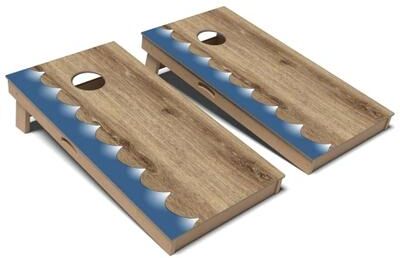
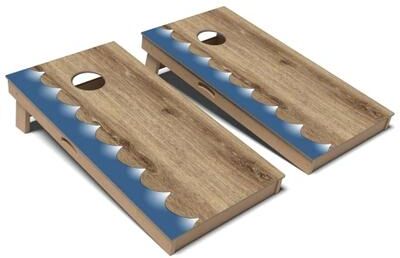
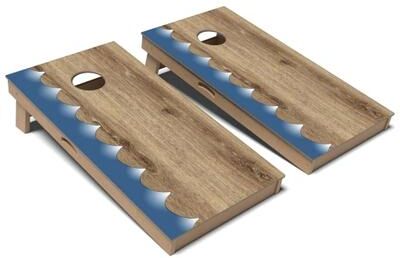
Skip's Garage Wave Surf Cornhole Board SetIncludes: (2) Cornhole Boards & (8) Bags. Easily Choose Your Board Size & Type. Bags Will Complement The Board Colors. Easily Message Us Bag Color Requests. Add Accessories like Carry Cases or LED Hole Lights.263,99 $*Shipping: 0,00 $Secure redirect to the provider
-
Skip's Garage Wave Surf Cornhole Board SetIncludes: (2) Cornhole Boards & (8) Bags. Easily Choose Your Board Size & Type. Bags Will Complement The Board Colors. Easily Message Us Bag Color Requests. Add Accessories like Carry Cases or LED Hole Lights.314,99 $*Shipping: 0,00 $Secure redirect to the provider


-
Would humanity survive an asteroid?
Humanity's survival in the event of an asteroid impact would depend on various factors, including the size and impact location of the asteroid. If a large asteroid were to strike Earth, it could cause widespread destruction and potentially lead to mass extinction. However, with advanced technology and early warning systems, there is a possibility that humanity could mitigate the impact and potentially survive. Efforts to track and deflect potentially hazardous asteroids are ongoing, which could improve our chances of survival in the event of a future asteroid threat. **
-
How high can a tsunami wave get when an asteroid crashes into the sea?
The height of a tsunami wave generated by an asteroid impact would depend on various factors such as the size and speed of the asteroid, the depth of the water at the impact site, and the angle at which the asteroid strikes the water. In general, it is possible for a tsunami wave generated by an asteroid impact to reach extreme heights, potentially exceeding 100 feet or more. The force of the impact and the displacement of water could result in devastating tsunami waves that could cause widespread destruction along coastlines. **
-
When does an asteroid become dangerous?
An asteroid becomes dangerous when its trajectory intersects with Earth's orbit, increasing the likelihood of a potential impact. The size and speed of the asteroid also play a significant role in determining its level of danger. If an asteroid is large enough and traveling at a high velocity, it could cause significant damage upon impact, potentially leading to widespread destruction. Monitoring and tracking asteroids is crucial in order to assess their potential threat to Earth. **
-
How fast does an asteroid move?
Asteroids can move at varying speeds depending on their size, distance from the sun, and other factors. On average, asteroids in the asteroid belt between Mars and Jupiter can travel at speeds of around 25 kilometers per second (56,000 miles per hour). However, some asteroids can reach speeds of up to 70 kilometers per second (156,000 miles per hour) when they are close to the sun. These high speeds make asteroids capable of covering large distances in a relatively short amount of time. **

Would humanity survive an asteroid impact?
Humanity's survival in the event of an asteroid impact would depend on various factors such as the size and speed of the asteroid, the location of impact, and our ability to detect and deflect the asteroid. If the asteroid is small and detected early enough, it is possible for us to take measures to deflect it away from Earth. However, if a large asteroid were to impact Earth, it could have catastrophic consequences for humanity, potentially causing widespread destruction and loss of life. Efforts to detect and track near-Earth objects, as well as develop technologies for asteroid deflection, are ongoing to mitigate the potential threat of an asteroid impact. **
Is an asteroid impact being kept secret?
There is no evidence to suggest that an asteroid impact is being kept secret. Scientists around the world actively monitor and track asteroids to assess any potential threats to Earth. Any significant asteroid impact would likely be detected and communicated by the global scientific community to ensure appropriate measures are taken to mitigate the impact. Transparency and collaboration are key in addressing potential asteroid threats. **
Top-Angebote
Products related to Asteroid:
-
Skip's Garage Wave Surf Cornhole Board SetIncludes: (2) Cornhole Boards & (8) Bags. Easily Choose Your Board Size & Type. Bags Will Complement The Board Colors. Easily Message Us Bag Color Requests. Add Accessories like Carry Cases or LED Hole Lights.263,99 $*Shipping: 0,00 $Secure redirect to the provider
-
What is asteroid 202937?
Asteroid 202937 is a near-Earth asteroid that was discovered in 2005. It is classified as a potentially hazardous asteroid due to its close proximity to Earth's orbit. The asteroid has a diameter of approximately 500 meters and orbits the Sun every 3.5 years. Scientists continue to monitor asteroid 202937 to better understand its trajectory and potential impact on Earth. **
-
Comet, asteroid, or meteoroid?
A comet is a small celestial body made of ice, dust, and rock that orbits the sun. When a comet gets close to the sun, the heat causes the ice to vaporize and create a glowing tail. An asteroid is a small rocky body that orbits the sun, and can range in size from a few meters to hundreds of kilometers. A meteoroid is a small rocky or metallic body that travels through space and is smaller than an asteroid. When a meteoroid enters the Earth's atmosphere and burns up, it is called a meteor. **
-
Would humanity survive an asteroid?
Humanity's survival in the event of an asteroid impact would depend on various factors, including the size and impact location of the asteroid. If a large asteroid were to strike Earth, it could cause widespread destruction and potentially lead to mass extinction. However, with advanced technology and early warning systems, there is a possibility that humanity could mitigate the impact and potentially survive. Efforts to track and deflect potentially hazardous asteroids are ongoing, which could improve our chances of survival in the event of a future asteroid threat. **
-
How high can a tsunami wave get when an asteroid crashes into the sea?
The height of a tsunami wave generated by an asteroid impact would depend on various factors such as the size and speed of the asteroid, the depth of the water at the impact site, and the angle at which the asteroid strikes the water. In general, it is possible for a tsunami wave generated by an asteroid impact to reach extreme heights, potentially exceeding 100 feet or more. The force of the impact and the displacement of water could result in devastating tsunami waves that could cause widespread destruction along coastlines. **
Similar search terms for Asteroid
-
Skip's Garage Wave Surf Cornhole Board SetIncludes: (2) Cornhole Boards & (8) Bags. Easily Choose Your Board Size & Type. Bags Will Complement The Board Colors. Easily Message Us Bag Color Requests. Add Accessories like Carry Cases or LED Hole Lights.314,99 $*Shipping: 0,00 $Secure redirect to the provider
-
Skip's Garage Wave Surf Cornhole Board SetIncludes: (2) Cornhole Boards & (8) Bags. Easily Choose Your Board Size & Type. Bags Will Complement The Board Colors. Easily Message Us Bag Color Requests. Add Accessories like Carry Cases or LED Hole Lights.353,49 $*Shipping: 0,00 $Secure redirect to the provider
-
Skip's Garage Wave Surf Cornhole Board SetIncludes: (2) Cornhole Boards & (8) Bags. Easily Choose Your Board Size & Type. Bags Will Complement The Board Colors. Easily Message Us Bag Color Requests. Add Accessories like Carry Cases or LED Hole Lights.327,99 $*Shipping: 0,00 $Secure redirect to the provider
-
When does an asteroid become dangerous?
An asteroid becomes dangerous when its trajectory intersects with Earth's orbit, increasing the likelihood of a potential impact. The size and speed of the asteroid also play a significant role in determining its level of danger. If an asteroid is large enough and traveling at a high velocity, it could cause significant damage upon impact, potentially leading to widespread destruction. Monitoring and tracking asteroids is crucial in order to assess their potential threat to Earth. **
-
How fast does an asteroid move?
Asteroids can move at varying speeds depending on their size, distance from the sun, and other factors. On average, asteroids in the asteroid belt between Mars and Jupiter can travel at speeds of around 25 kilometers per second (56,000 miles per hour). However, some asteroids can reach speeds of up to 70 kilometers per second (156,000 miles per hour) when they are close to the sun. These high speeds make asteroids capable of covering large distances in a relatively short amount of time. **
-
Would humanity survive an asteroid impact?
Humanity's survival in the event of an asteroid impact would depend on various factors such as the size and speed of the asteroid, the location of impact, and our ability to detect and deflect the asteroid. If the asteroid is small and detected early enough, it is possible for us to take measures to deflect it away from Earth. However, if a large asteroid were to impact Earth, it could have catastrophic consequences for humanity, potentially causing widespread destruction and loss of life. Efforts to detect and track near-Earth objects, as well as develop technologies for asteroid deflection, are ongoing to mitigate the potential threat of an asteroid impact. **
-
Is an asteroid impact being kept secret?
There is no evidence to suggest that an asteroid impact is being kept secret. Scientists around the world actively monitor and track asteroids to assess any potential threats to Earth. Any significant asteroid impact would likely be detected and communicated by the global scientific community to ensure appropriate measures are taken to mitigate the impact. Transparency and collaboration are key in addressing potential asteroid threats. **
* All prices are inclusive of VAT and, if applicable, plus shipping costs. The offer information is based on the details provided by the respective shop and is updated through automated processes. Real-time updates do not occur, so deviations can occur in individual cases. ** Note: Parts of this content were created by AI.