Buy surfclub.eu ?
We are moving the project
surfclub.eu .
Are you interested in purchasing the domain
surfclub.eu ?
domain@kv-gmbh.de · 0541-91531010
Buy surfclub.eu ?
Is a sand-clay mixture good?
A sand-clay mixture can be good for certain applications. It can be used in construction for making bricks, tiles, and other building materials. The clay helps to bind the sand particles together, providing strength and stability. However, the suitability of a sand-clay mixture depends on the specific requirements of the project and the intended use of the material. It is important to consider factors such as the ratio of sand to clay, the quality of the materials, and the environmental conditions in which the mixture will be used. **
Which clay sand do mason bees use?
Mason bees typically use clay-rich soils to build their nests. They collect the clay particles and mix them with their saliva to create a mud-like substance, which they use to construct the walls of their nesting chambers. The clay provides the necessary structure and protection for the developing bee larvae. This behavior is why mason bees are also known as "mud bees." **


Similar search terms for Bloomhouse-Corcisa-Clay-4
Top-Angebote
Products related to Bloomhouse-Corcisa-Clay-4:



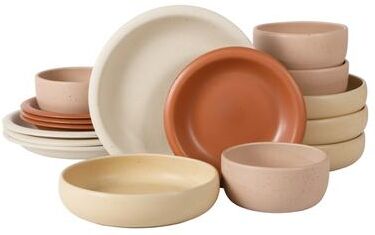
-
How do I mix a clay-sand mixture?
To mix a clay-sand mixture, start by measuring out the desired proportions of clay and sand. It is recommended to use a ratio of approximately 70% sand to 30% clay for a balanced mixture. Next, place the clay and sand in a large container or mixing tray and use a shovel or hoe to thoroughly blend the two materials together. Make sure to mix the clay and sand until they are evenly distributed and there are no clumps of either material remaining. Finally, add water gradually while continuing to mix until the mixture reaches the desired consistency for your project. **
-
How do you separate salt, clay, sand, and stones?
To separate salt, clay, sand, and stones, you can use a process called sedimentation and decantation. First, mix the mixture with water to dissolve the salt. Then, allow the mixture to settle, and the heavier particles like sand and stones will settle at the bottom. Next, carefully pour off the water and the lighter particles like clay will be carried away with the water, leaving the heavier particles behind. Finally, you can use a filter to separate the sand from the stones. **
-
How do you moisten a mixture of clay and sand?
To moisten a mixture of clay and sand, you can add water gradually while mixing the two materials together. Start by adding a small amount of water and then continue to mix and add more water as needed until the mixture reaches the desired consistency. It's important to add water slowly to avoid making the mixture too wet, which can make it difficult to work with. Once the clay and sand are thoroughly mixed and moistened, it will be ready for use in pottery or other projects. **
-
Should I mix expanded clay and clay plant granules?
It is not recommended to mix expanded clay and clay plant granules together. Expanded clay is a lightweight, porous material used for aeration and drainage in soil, while clay plant granules are typically used for moisture retention and as a soil amendment. Mixing these two types of materials together can result in an inconsistent soil structure and may not provide the intended benefits for plant growth. It's best to use each material separately for their specific purposes in soil composition. **
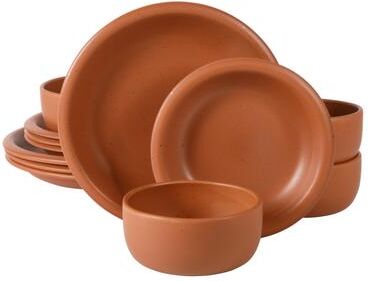
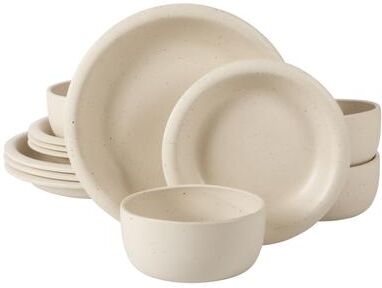
Is clay waterproof?
Clay is not inherently waterproof, as it is a porous material that can absorb water. However, clay can be made waterproof by firing it in a kiln at high temperatures, which causes the clay particles to fuse together and create a waterproof barrier. Additionally, clay objects can be glazed to make them waterproof by adding a layer of glass-like material that seals the surface. **
Is this clay?
No, this is not clay. **
Top-Angebote
Products related to Bloomhouse-Corcisa-Clay-4:
-
Is a sand-clay mixture good?
A sand-clay mixture can be good for certain applications. It can be used in construction for making bricks, tiles, and other building materials. The clay helps to bind the sand particles together, providing strength and stability. However, the suitability of a sand-clay mixture depends on the specific requirements of the project and the intended use of the material. It is important to consider factors such as the ratio of sand to clay, the quality of the materials, and the environmental conditions in which the mixture will be used. **
-
Which clay sand do mason bees use?
Mason bees typically use clay-rich soils to build their nests. They collect the clay particles and mix them with their saliva to create a mud-like substance, which they use to construct the walls of their nesting chambers. The clay provides the necessary structure and protection for the developing bee larvae. This behavior is why mason bees are also known as "mud bees." **
-
How do I mix a clay-sand mixture?
To mix a clay-sand mixture, start by measuring out the desired proportions of clay and sand. It is recommended to use a ratio of approximately 70% sand to 30% clay for a balanced mixture. Next, place the clay and sand in a large container or mixing tray and use a shovel or hoe to thoroughly blend the two materials together. Make sure to mix the clay and sand until they are evenly distributed and there are no clumps of either material remaining. Finally, add water gradually while continuing to mix until the mixture reaches the desired consistency for your project. **
-
How do you separate salt, clay, sand, and stones?
To separate salt, clay, sand, and stones, you can use a process called sedimentation and decantation. First, mix the mixture with water to dissolve the salt. Then, allow the mixture to settle, and the heavier particles like sand and stones will settle at the bottom. Next, carefully pour off the water and the lighter particles like clay will be carried away with the water, leaving the heavier particles behind. Finally, you can use a filter to separate the sand from the stones. **
Similar search terms for Bloomhouse-Corcisa-Clay-4
-
How do you moisten a mixture of clay and sand?
To moisten a mixture of clay and sand, you can add water gradually while mixing the two materials together. Start by adding a small amount of water and then continue to mix and add more water as needed until the mixture reaches the desired consistency. It's important to add water slowly to avoid making the mixture too wet, which can make it difficult to work with. Once the clay and sand are thoroughly mixed and moistened, it will be ready for use in pottery or other projects. **
-
Should I mix expanded clay and clay plant granules?
It is not recommended to mix expanded clay and clay plant granules together. Expanded clay is a lightweight, porous material used for aeration and drainage in soil, while clay plant granules are typically used for moisture retention and as a soil amendment. Mixing these two types of materials together can result in an inconsistent soil structure and may not provide the intended benefits for plant growth. It's best to use each material separately for their specific purposes in soil composition. **
-
Is clay waterproof?
Clay is not inherently waterproof, as it is a porous material that can absorb water. However, clay can be made waterproof by firing it in a kiln at high temperatures, which causes the clay particles to fuse together and create a waterproof barrier. Additionally, clay objects can be glazed to make them waterproof by adding a layer of glass-like material that seals the surface. **
-
Is this clay?
No, this is not clay. **
* All prices are inclusive of VAT and, if applicable, plus shipping costs. The offer information is based on the details provided by the respective shop and is updated through automated processes. Real-time updates do not occur, so deviations can occur in individual cases. ** Note: Parts of this content were created by AI.