Buy surfclub.eu ?
We are moving the project
surfclub.eu .
Are you interested in purchasing the domain
surfclub.eu ?
domain@kv-gmbh.de · 0541-91531010
Buy surfclub.eu ?
How do you sand acacia wood?
To sand acacia wood, start by using a coarse-grit sandpaper to remove any rough spots, imperfections, or old finish. Then, gradually move to finer-grit sandpaper to smooth out the surface and remove any remaining scratches. Be sure to sand with the grain of the wood to avoid creating any additional scratches. After sanding, wipe down the wood with a damp cloth to remove any dust before applying a finish or sealant. **
Is that mold on this acacia cutting board?
Without being able to see the cutting board in person, it is difficult to definitively say whether the substance is mold. However, mold on a cutting board can appear as a fuzzy or discolored growth. If you suspect that the substance is mold, it is best to err on the side of caution and thoroughly clean the cutting board with hot, soapy water and a disinfectant. If the growth persists, it may be best to replace the cutting board to ensure food safety. **
Similar search terms for Classic-Cuisine-Natural-Acacia
Top-Angebote
Products related to Classic-Cuisine-Natural-Acacia:
-
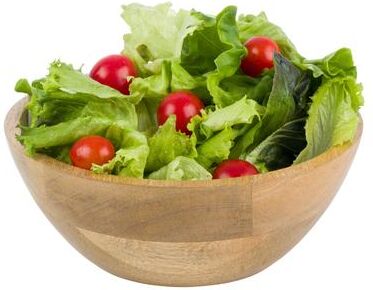
Classic Cuisine Mango Wood Serving Bowl Natural"""Add natural warmth and functionality to your home with this solid mango wood serving bowl. The versatile design is ideal for serving salads, bread, snacks, or displaying fruit and decorative accents on tables, shelves, and countertops."23,69 $*Shipping: 0,00 $Secure redirect to the provider
-
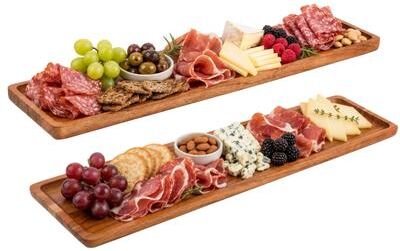
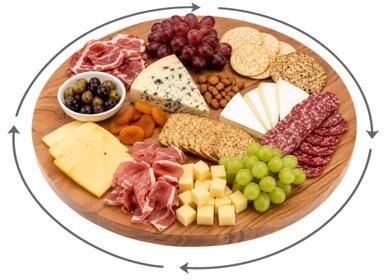
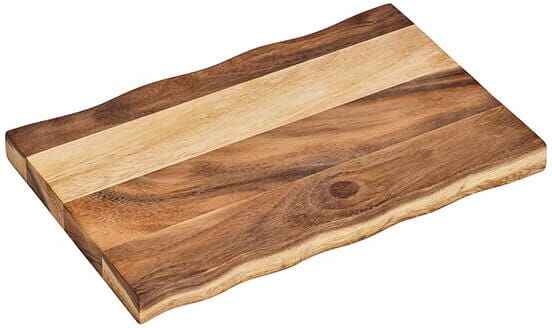
Tala Rectangular Natural Acacia Wavey BoardThe Tala Rectangular Natural Acacia Wavey Board will elevate your food presentation with the Tala Rectangular Wavy Board in Natural Acacia. Combining rustic charm with practical elegance, this beautifully crafted board is perfect for serving cheeses, charcuterie, or hors d’oeuvres in style. The natural acacia wood offers durability and a warm, organic look, while the unique wavy edges add a touch of sophistication to any kitchen or dining setting. Whether you're hosting guests or enjoying a quiet meal at home, this board makes every occasion feel special. Dimensions: 3(H) x 40(W) x 25(L)cm.29,70 £*Shipping: 3,50 £Secure redirect to the provider
-
Can new acacia shoots grow from an old acacia trunk?
Yes, new acacia shoots can grow from an old acacia trunk. Acacia trees have the ability to regenerate and produce new growth from dormant buds located on the trunk or branches. This natural process allows the tree to recover from damage or stress and continue to thrive. With proper care and conditions, an old acacia trunk can sprout new shoots and rejuvenate the tree. **
-
Can new acacia sprouts grow from an old acacia trunk?
Yes, new acacia sprouts can grow from an old acacia trunk. Acacia trees have the ability to produce new growth from their trunks and roots, even after being cut down or damaged. This regrowth can occur naturally or be encouraged through pruning or other cultivation practices. As long as the trunk is still alive and has viable tissue, new sprouts can emerge and grow into new branches and foliage. **
-
Is acacia wood sustainable?
Yes, acacia wood is considered sustainable. Acacia trees grow quickly and are abundant in many regions, making them a renewable resource. Additionally, acacia wood is durable and resistant to decay, which can extend its lifespan and reduce the need for frequent replacements. Proper management practices, such as replanting and responsible harvesting, can help ensure the sustainability of acacia wood as a building material. **
-
What are acacia fibers?
Acacia fibers are a type of soluble dietary fiber derived from the gum of the acacia tree. They are often used as a prebiotic to support gut health by promoting the growth of beneficial bacteria in the digestive system. Acacia fibers are known for their ability to help regulate bowel movements, improve digestion, and support overall gut health. They are commonly found in supplements, food products, and as a natural ingredient in various health and wellness products. **

Are acacia thorns poisonous?
Acacia thorns are not typically poisonous, but they can cause physical harm if they puncture the skin. The thorns are sharp and can cause pain, irritation, and potential infection if not properly treated. It's important to be cautious around acacia trees and to avoid contact with the thorns to prevent injury. **
Is East Asian cuisine more varied than European cuisine?
Both East Asian and European cuisines are incredibly varied, with each region offering a wide range of flavors, ingredients, and cooking techniques. East Asian cuisine encompasses the diverse culinary traditions of countries such as China, Japan, Korea, and Thailand, each with its own unique dishes and flavors. Similarly, European cuisine is incredibly varied, with distinct culinary traditions in countries like Italy, France, Spain, and Greece. Ultimately, the variety of both East Asian and European cuisines is a result of the rich diversity of ingredients, cooking methods, and cultural influences found within each region. **
Top-Angebote
Products related to Classic-Cuisine-Natural-Acacia:
-
How do you sand acacia wood?
To sand acacia wood, start by using a coarse-grit sandpaper to remove any rough spots, imperfections, or old finish. Then, gradually move to finer-grit sandpaper to smooth out the surface and remove any remaining scratches. Be sure to sand with the grain of the wood to avoid creating any additional scratches. After sanding, wipe down the wood with a damp cloth to remove any dust before applying a finish or sealant. **
-
Is that mold on this acacia cutting board?
Without being able to see the cutting board in person, it is difficult to definitively say whether the substance is mold. However, mold on a cutting board can appear as a fuzzy or discolored growth. If you suspect that the substance is mold, it is best to err on the side of caution and thoroughly clean the cutting board with hot, soapy water and a disinfectant. If the growth persists, it may be best to replace the cutting board to ensure food safety. **
-
Can new acacia shoots grow from an old acacia trunk?
Yes, new acacia shoots can grow from an old acacia trunk. Acacia trees have the ability to regenerate and produce new growth from dormant buds located on the trunk or branches. This natural process allows the tree to recover from damage or stress and continue to thrive. With proper care and conditions, an old acacia trunk can sprout new shoots and rejuvenate the tree. **
-
Can new acacia sprouts grow from an old acacia trunk?
Yes, new acacia sprouts can grow from an old acacia trunk. Acacia trees have the ability to produce new growth from their trunks and roots, even after being cut down or damaged. This regrowth can occur naturally or be encouraged through pruning or other cultivation practices. As long as the trunk is still alive and has viable tissue, new sprouts can emerge and grow into new branches and foliage. **
Similar search terms for Classic-Cuisine-Natural-Acacia
-
Classic Cuisine Mango Wood Serving Bowl Natural"""Add natural warmth and functionality to your home with this solid mango wood serving bowl. The versatile design is ideal for serving salads, bread, snacks, or displaying fruit and decorative accents on tables, shelves, and countertops."23,69 $*Shipping: 0,00 $Secure redirect to the provider
-
Tala Rectangular Natural Acacia Wavey BoardThe Tala Rectangular Natural Acacia Wavey Board will elevate your food presentation with the Tala Rectangular Wavy Board in Natural Acacia. Combining rustic charm with practical elegance, this beautifully crafted board is perfect for serving cheeses, charcuterie, or hors d’oeuvres in style. The natural acacia wood offers durability and a warm, organic look, while the unique wavy edges add a touch of sophistication to any kitchen or dining setting. Whether you're hosting guests or enjoying a quiet meal at home, this board makes every occasion feel special. Dimensions: 3(H) x 40(W) x 25(L)cm.29,70 £*Shipping: 3,50 £Secure redirect to the provider
-
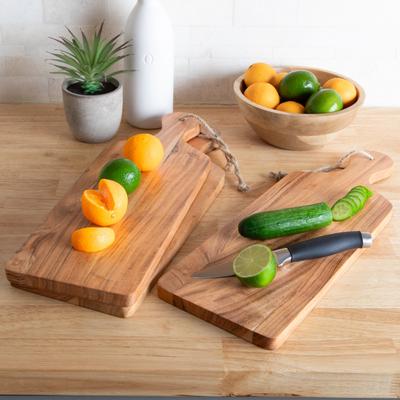
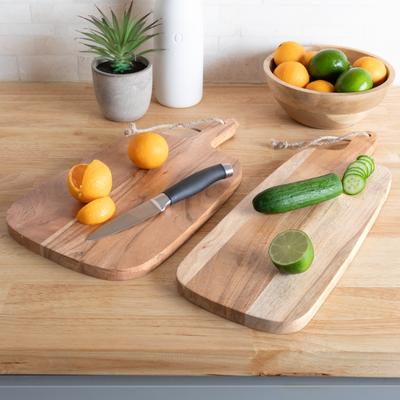
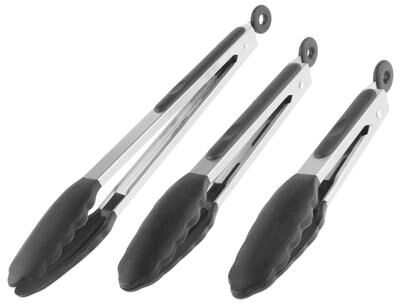
Tala Large Natural Acacia Double Handled Long BoardThe Tala Large Natural Acacia Double Handled Long Board brings rustic charm and functionality to your kitchen or dining table. The integrated double handles ensure easy carrying and presentation, while the rich wood grain and warm tones make it a stunning centrepiece for any occasion. Durable, stylish, and versatile, perfect for both everyday use and entertaining. Dimensions: 1.5(H) x 56.5(W) x 20.5(L)cm.23,40 £*Shipping: 3,50 £Secure redirect to the provider
-
Is acacia wood sustainable?
Yes, acacia wood is considered sustainable. Acacia trees grow quickly and are abundant in many regions, making them a renewable resource. Additionally, acacia wood is durable and resistant to decay, which can extend its lifespan and reduce the need for frequent replacements. Proper management practices, such as replanting and responsible harvesting, can help ensure the sustainability of acacia wood as a building material. **
-
What are acacia fibers?
Acacia fibers are a type of soluble dietary fiber derived from the gum of the acacia tree. They are often used as a prebiotic to support gut health by promoting the growth of beneficial bacteria in the digestive system. Acacia fibers are known for their ability to help regulate bowel movements, improve digestion, and support overall gut health. They are commonly found in supplements, food products, and as a natural ingredient in various health and wellness products. **
-
Are acacia thorns poisonous?
Acacia thorns are not typically poisonous, but they can cause physical harm if they puncture the skin. The thorns are sharp and can cause pain, irritation, and potential infection if not properly treated. It's important to be cautious around acacia trees and to avoid contact with the thorns to prevent injury. **
-
Is East Asian cuisine more varied than European cuisine?
Both East Asian and European cuisines are incredibly varied, with each region offering a wide range of flavors, ingredients, and cooking techniques. East Asian cuisine encompasses the diverse culinary traditions of countries such as China, Japan, Korea, and Thailand, each with its own unique dishes and flavors. Similarly, European cuisine is incredibly varied, with distinct culinary traditions in countries like Italy, France, Spain, and Greece. Ultimately, the variety of both East Asian and European cuisines is a result of the rich diversity of ingredients, cooking methods, and cultural influences found within each region. **
* All prices are inclusive of VAT and, if applicable, plus shipping costs. The offer information is based on the details provided by the respective shop and is updated through automated processes. Real-time updates do not occur, so deviations can occur in individual cases. ** Note: Parts of this content were created by AI.