Buy surfclub.eu ?
We are moving the project
surfclub.eu .
Are you interested in purchasing the domain
surfclub.eu ?
domain@kv-gmbh.de · 0541-91531010
Buy surfclub.eu ?
How deep is the sand desert?
The depth of a sand desert can vary greatly depending on the location and specific characteristics of the desert. In general, the sand in a desert can range from a few centimeters to several meters deep. Some deserts may have sand dunes that reach heights of over 100 meters, while other areas may have a thin layer of sand covering a rocky desert floor. Overall, the depth of a sand desert is influenced by factors such as wind patterns, erosion, and the presence of vegetation. **
How deep is the sand in the desert?
The depth of sand in the desert can vary greatly depending on the location and specific desert environment. In some areas, the sand can be just a few inches deep, while in other areas it can be several feet deep. Sand dunes, which are common in deserts, can reach heights of hundreds of feet, with the sand shifting and changing constantly due to wind and other environmental factors. Overall, the depth of sand in the desert is not consistent and can range from shallow to very deep. **

Similar search terms for Desert
Top-Angebote
Products related to Desert:
-
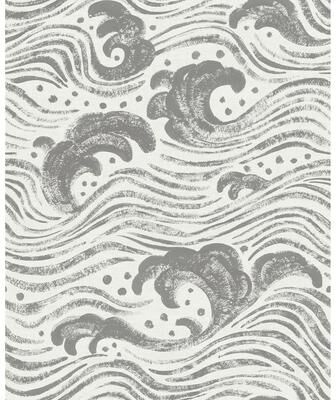
Carol Benson-Cobb Ink Wash Desert Sun WallpaperInk Wash's broad, brushstrokes are punctuated with beautifully executed lines and splashes to soften the color and soothe the eye. This Ink Wash Wallpaper measures approximately 27 inches wide by 27 feet long, covering About 60.8 square feet per roll.170,00 $*Shipping: 0,00 $Secure redirect to the provider
-
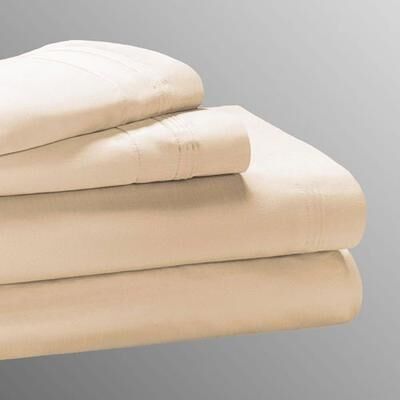
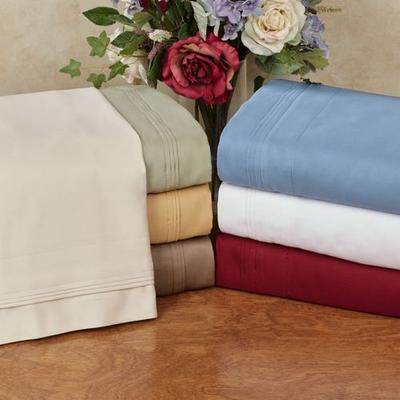
Home City, Inc. Superior Sheet Set, King, Desert SandThe amazingly soft Superior(R) Sheet Set elevates your bedding with luxury. Made with Egyptian cotton, these solid color sheets have a 1,000 thread count and are OEKO-TEX(R) certified to ensure that they are free of harmful chemicals and substances....299,99 $*Shipping: 0,00 $Secure redirect to the provider
-
O'Neill s Desert Sun Fitted T-Shirt in Raspberry, Size XSThe Desert Sun Women's Fitted Tee is soft as a desert sunrise. This fitted t-shirt is crafted from 100% cotton jersey for all-day comfort. The center front graphic brings earthy style to your everyday adventures, from morning hikes to sunset hangs....34,00 $*Shipping: 0,00 $Secure redirect to the provider
-
Home City, Inc. Superior Sheet Set, Queen, Desert SandThe amazingly soft Superior(R) Sheet Set elevates your bedding with luxury. Made with Egyptian cotton, these solid color sheets have a 1,000 thread count and are OEKO-TEX(R) certified to ensure that they are free of harmful chemicals and substances....249,99 $*Shipping: 0,00 $Secure redirect to the provider


-
What lies beneath the sand in the desert?
Beneath the sand in the desert lies a complex ecosystem of plants, animals, and microorganisms that have adapted to survive in the harsh desert environment. Some desert plants have deep root systems that allow them to access water far below the surface, while desert animals have evolved specialized behaviors and physical adaptations to cope with the extreme temperatures and scarcity of water. Additionally, beneath the sand, there may be layers of rock, minerals, and even ancient fossils that provide clues about the geological history of the desert. **
-
How does the sand actually get into the desert?
Sand is formed from the erosion of rocks and minerals over time. This erosion can be caused by wind, water, or ice. Once the sand particles are formed, they can be transported by wind to the desert, where they accumulate over time. The process of sand accumulation in deserts is a slow one, taking thousands of years to create the vast dunes and landscapes we see today. **
-
How many grains of sand are there actually in the desert?
It is impossible to accurately determine the exact number of grains of sand in a desert due to the vast size and constantly shifting nature of sand dunes. However, it is estimated that there are trillions of grains of sand in a single desert. The number can vary greatly depending on the size and location of the desert. **
-
Desert or Arctic?
It ultimately depends on personal preference and what one is looking for in a landscape. Deserts are known for their extreme heat, vast sand dunes, and unique plant and animal life adapted to the harsh conditions. On the other hand, the Arctic offers a starkly different environment with freezing temperatures, icy landscapes, and a chance to witness the beauty of the northern lights. Both environments have their own appeal and offer unique experiences for those willing to explore them. **

Why is the Namib Desert the oldest desert on Earth?
The Namib Desert is considered the oldest desert on Earth because it has been arid for at least 55 million years. Its age can be attributed to its location along the southwestern coast of Africa, where the cold Benguela Current creates a stable high-pressure system that prevents moisture from entering the region. Additionally, the desert's unique geological history, including the uplifting of the land and the formation of sand dunes, has contributed to its arid conditions over millions of years. These factors have combined to make the Namib Desert one of the most ancient and inhospitable environments on the planet. **
Why are large parts of the ocean referred to as the blue desert?
Large parts of the ocean are referred to as the blue desert because they are vast, open areas with very little visible life. Just like a desert, these areas of the ocean have low levels of nutrients and productivity, resulting in a lack of visible marine life. The water in these regions appears blue and clear, similar to the color of a desert landscape. This term highlights the contrast between the seemingly barren open ocean and the more diverse and productive coastal areas. **
Top-Angebote
Products related to Desert:
-
Carol Benson-Cobb Ink Wash Desert Sun WallpaperInk Wash's broad, brushstrokes are punctuated with beautifully executed lines and splashes to soften the color and soothe the eye. This Ink Wash Wallpaper measures approximately 27 inches wide by 27 feet long, covering About 60.8 square feet per roll.170,00 $*Shipping: 0,00 $Secure redirect to the provider
-
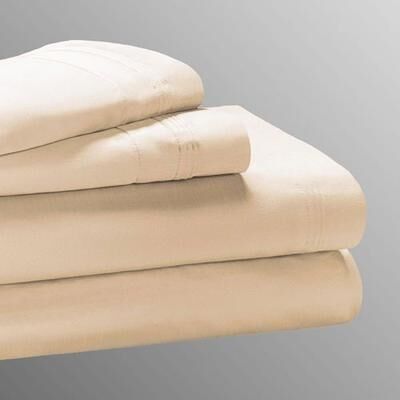
Home City, Inc. Superior Sheet Set, King, Desert SandThe amazingly soft Superior(R) Sheet Set elevates your bedding with luxury. Made with Egyptian cotton, these solid color sheets have a 1,000 thread count and are OEKO-TEX(R) certified to ensure that they are free of harmful chemicals and substances....299,99 $*Shipping: 0,00 $Secure redirect to the provider
-
How deep is the sand desert?
The depth of a sand desert can vary greatly depending on the location and specific characteristics of the desert. In general, the sand in a desert can range from a few centimeters to several meters deep. Some deserts may have sand dunes that reach heights of over 100 meters, while other areas may have a thin layer of sand covering a rocky desert floor. Overall, the depth of a sand desert is influenced by factors such as wind patterns, erosion, and the presence of vegetation. **
-
How deep is the sand in the desert?
The depth of sand in the desert can vary greatly depending on the location and specific desert environment. In some areas, the sand can be just a few inches deep, while in other areas it can be several feet deep. Sand dunes, which are common in deserts, can reach heights of hundreds of feet, with the sand shifting and changing constantly due to wind and other environmental factors. Overall, the depth of sand in the desert is not consistent and can range from shallow to very deep. **
-
What lies beneath the sand in the desert?
Beneath the sand in the desert lies a complex ecosystem of plants, animals, and microorganisms that have adapted to survive in the harsh desert environment. Some desert plants have deep root systems that allow them to access water far below the surface, while desert animals have evolved specialized behaviors and physical adaptations to cope with the extreme temperatures and scarcity of water. Additionally, beneath the sand, there may be layers of rock, minerals, and even ancient fossils that provide clues about the geological history of the desert. **
-
How does the sand actually get into the desert?
Sand is formed from the erosion of rocks and minerals over time. This erosion can be caused by wind, water, or ice. Once the sand particles are formed, they can be transported by wind to the desert, where they accumulate over time. The process of sand accumulation in deserts is a slow one, taking thousands of years to create the vast dunes and landscapes we see today. **
Similar search terms for Desert
-
O'Neill s Desert Sun Fitted T-Shirt in Raspberry, Size XSThe Desert Sun Women's Fitted Tee is soft as a desert sunrise. This fitted t-shirt is crafted from 100% cotton jersey for all-day comfort. The center front graphic brings earthy style to your everyday adventures, from morning hikes to sunset hangs....34,00 $*Shipping: 0,00 $Secure redirect to the provider
-
Home City, Inc. Superior Sheet Set, Queen, Desert SandThe amazingly soft Superior(R) Sheet Set elevates your bedding with luxury. Made with Egyptian cotton, these solid color sheets have a 1,000 thread count and are OEKO-TEX(R) certified to ensure that they are free of harmful chemicals and substances....249,99 $*Shipping: 0,00 $Secure redirect to the provider
-
Home City, Inc. Superior Sheet Set, California King, Desert SandThe amazingly soft Superior(R) Sheet Set elevates your bedding with luxury. Made with Egyptian cotton, these solid color sheets have a 1,000 thread count and are OEKO-TEX(R) certified to ensure that they are free of harmful chemicals and substances....299,99 $*Shipping: 0,00 $Secure redirect to the provider
-
Home City, Inc. Superior Sheet Set, Full / Double, Desert SandThe amazingly soft Superior(R) Sheet Set elevates your bedding with luxury. Made with Egyptian cotton, these solid color sheets have a 1,000 thread count and are OEKO-TEX(R) certified to ensure that they are free of harmful chemicals and substances....239,99 $*Shipping: 0,00 $Secure redirect to the provider
-
How many grains of sand are there actually in the desert?
It is impossible to accurately determine the exact number of grains of sand in a desert due to the vast size and constantly shifting nature of sand dunes. However, it is estimated that there are trillions of grains of sand in a single desert. The number can vary greatly depending on the size and location of the desert. **
-
Desert or Arctic?
It ultimately depends on personal preference and what one is looking for in a landscape. Deserts are known for their extreme heat, vast sand dunes, and unique plant and animal life adapted to the harsh conditions. On the other hand, the Arctic offers a starkly different environment with freezing temperatures, icy landscapes, and a chance to witness the beauty of the northern lights. Both environments have their own appeal and offer unique experiences for those willing to explore them. **
-
Why is the Namib Desert the oldest desert on Earth?
The Namib Desert is considered the oldest desert on Earth because it has been arid for at least 55 million years. Its age can be attributed to its location along the southwestern coast of Africa, where the cold Benguela Current creates a stable high-pressure system that prevents moisture from entering the region. Additionally, the desert's unique geological history, including the uplifting of the land and the formation of sand dunes, has contributed to its arid conditions over millions of years. These factors have combined to make the Namib Desert one of the most ancient and inhospitable environments on the planet. **
-
Why are large parts of the ocean referred to as the blue desert?
Large parts of the ocean are referred to as the blue desert because they are vast, open areas with very little visible life. Just like a desert, these areas of the ocean have low levels of nutrients and productivity, resulting in a lack of visible marine life. The water in these regions appears blue and clear, similar to the color of a desert landscape. This term highlights the contrast between the seemingly barren open ocean and the more diverse and productive coastal areas. **
* All prices are inclusive of VAT and, if applicable, plus shipping costs. The offer information is based on the details provided by the respective shop and is updated through automated processes. Real-time updates do not occur, so deviations can occur in individual cases. ** Note: Parts of this content were created by AI.