Buy surfclub.eu ?
We are moving the project
surfclub.eu .
Are you interested in purchasing the domain
surfclub.eu ?
domain@kv-gmbh.de · 0541-91531010
Buy surfclub.eu ?
What causes brown leaf tips?
Brown leaf tips can be caused by a variety of factors, including overwatering, underwatering, low humidity, or exposure to extreme temperatures. Overwatering can lead to root rot, which can cause the leaves to turn brown. On the other hand, underwatering can cause the plant to become dehydrated, leading to brown and crispy leaf tips. Low humidity can also cause the plant to lose moisture, resulting in brown leaf tips. Additionally, exposure to extreme temperatures, such as cold drafts or direct sunlight, can also lead to brown leaf tips. **
Does the latest leaf turn brown?
The latest leaf does not turn brown. As the newest leaf on a plant, it is typically still green and healthy. Brown leaves are often a sign of aging, disease, or stress in a plant, so the newest leaf should still be vibrant and green. If the newest leaf is turning brown, it may be a sign of a problem with the plant that needs to be addressed. **


Similar search terms for Graham-Brown-Flame-Leaf
Top-Angebote
Products related to Graham-Brown-Flame-Leaf:
-
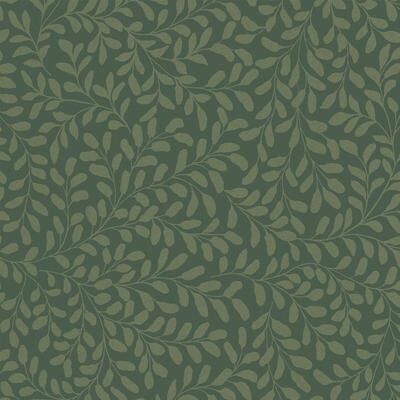
Graham & Brown Gilded Leaf Olive WallpaperGilded Leaf Olive wallpaper, this gorgeous design showcases a captivating green and metallic leaf pattern that dances gracefully across a refined khaki background, creating a harmonious balance between nature and modern elegance.168,00 $*Shipping: 0,00 $Secure redirect to the provider
-
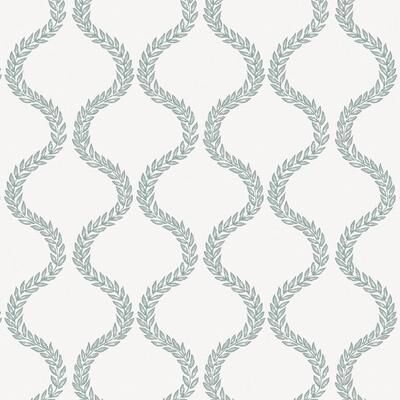
Graham & Brown Laurel Leaf Trellis WallpaperThe Laurel Leaf Trellis Wallpaper reimagines the classic stripe with a natural twist. Instead of traditional lines, delicate laurel leaves are arranged in sweeping curves, forming a rhythmic trellis pattern that flows gracefully across the wall.190,00 $*Shipping: 0,00 $Secure redirect to the provider

-
Why is the walking leaf brown instead of green?
The walking leaf is brown instead of green because it has evolved to mimic a dead leaf, helping it to camouflage and avoid predators. By blending in with its surroundings, the walking leaf is able to better protect itself from being eaten. This adaptation has allowed the walking leaf to survive and thrive in its natural habitat. **
-
How does a large flame occur in a wish ritual with a laurel leaf?
In a wish ritual with a laurel leaf, a large flame can occur when the leaf is burned as part of the ritual. The laurel leaf is believed to have magical properties and is often used in rituals to manifest desires and wishes. When the leaf is burned, it is thought to release powerful energy that can help to bring about the desired outcome. The act of burning the leaf symbolizes the transformation of the wish into reality, and the large flame is seen as a sign of the strength and intensity of the energy being released. **
-
How do the brown leaf edges and brown spots on some of the rubber plant's leaves look?
The brown leaf edges on the rubber plant's leaves appear dry and crispy, with a distinct line of discoloration separating the brown from the healthy green part of the leaf. The brown spots on the leaves are small and irregularly shaped, often surrounded by a yellow halo. These symptoms may indicate issues such as overwatering, underwatering, or exposure to direct sunlight. **
-
What is the difference between a shade leaf and a sun leaf?
Shade leaves are typically larger and thinner than sun leaves, as they are adapted to capture as much light as possible in low-light conditions. They also have a higher chlorophyll content to maximize photosynthesis. Sun leaves, on the other hand, are smaller and thicker, with a waxy coating to help reduce water loss and protect against excessive sunlight. They are adapted to withstand the higher light intensity and heat of direct sunlight. **
What is the difference between a sun leaf and a shade leaf?
Sun leaves and shade leaves have different adaptations to optimize photosynthesis in their respective environments. Sun leaves are typically smaller, thicker, and have more chlorophyll to capture as much sunlight as possible. They also have a higher density of stomata to facilitate gas exchange. In contrast, shade leaves are larger, thinner, and have less chlorophyll to maximize light absorption in low light conditions. They also have a lower stomatal density to reduce water loss in shaded environments. Overall, these differences allow each type of leaf to efficiently capture and utilize the available light in their specific environment. **
What is the difference between shade leaf and sun leaf palisade tissue?
Shade leaf palisade tissue is typically thinner and contains fewer chloroplasts compared to sun leaf palisade tissue. This is because shade leaves are adapted to lower light conditions and therefore need to maximize light absorption. Sun leaf palisade tissue, on the other hand, is thicker and contains more chloroplasts to capture and utilize the abundant sunlight. These differences in palisade tissue structure and chloroplast density allow plants to efficiently photosynthesize in their respective light environments. **
Top-Angebote
Products related to Graham-Brown-Flame-Leaf:
-
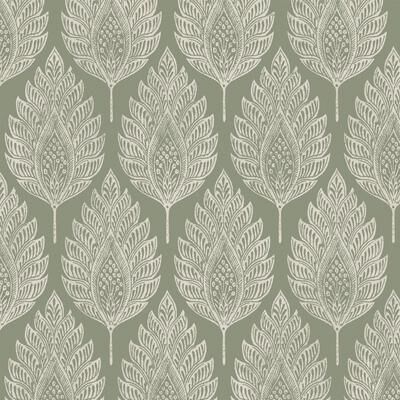
Graham & Brown Flame Leaf Neutral Wallpaper"Features: Quick & easy non-woven ""Paste the Wall"" wallpaper Apply paste directly to the wall (no decorating table or pre-cutting required) Spongeable Strippable: removes dry in full strips with minimal residue Pattern match: Offset; Pattern repeat:..."159,60 $*Shipping: 0,00 $Secure redirect to the provider
-
Graham & Brown Gilded Leaf Sage WallpaperThis sophisticated wallpaper design infuses a hint of nature into your home, perfect for establishing a peaceful ambiance in any area, it seamlessly emulates elegance and serenity, making it an essential addition to your home decor.168,00 $*Shipping: 0,00 $Secure redirect to the provider
-
Graham & Brown Gilded Leaf Olive WallpaperGilded Leaf Olive wallpaper, this gorgeous design showcases a captivating green and metallic leaf pattern that dances gracefully across a refined khaki background, creating a harmonious balance between nature and modern elegance.168,00 $*Shipping: 0,00 $Secure redirect to the provider
-
Graham & Brown Laurel Leaf Trellis WallpaperThe Laurel Leaf Trellis Wallpaper reimagines the classic stripe with a natural twist. Instead of traditional lines, delicate laurel leaves are arranged in sweeping curves, forming a rhythmic trellis pattern that flows gracefully across the wall.190,00 $*Shipping: 0,00 $Secure redirect to the provider
-
What causes brown leaf tips?
Brown leaf tips can be caused by a variety of factors, including overwatering, underwatering, low humidity, or exposure to extreme temperatures. Overwatering can lead to root rot, which can cause the leaves to turn brown. On the other hand, underwatering can cause the plant to become dehydrated, leading to brown and crispy leaf tips. Low humidity can also cause the plant to lose moisture, resulting in brown leaf tips. Additionally, exposure to extreme temperatures, such as cold drafts or direct sunlight, can also lead to brown leaf tips. **
-
Does the latest leaf turn brown?
The latest leaf does not turn brown. As the newest leaf on a plant, it is typically still green and healthy. Brown leaves are often a sign of aging, disease, or stress in a plant, so the newest leaf should still be vibrant and green. If the newest leaf is turning brown, it may be a sign of a problem with the plant that needs to be addressed. **
-
Why is the walking leaf brown instead of green?
The walking leaf is brown instead of green because it has evolved to mimic a dead leaf, helping it to camouflage and avoid predators. By blending in with its surroundings, the walking leaf is able to better protect itself from being eaten. This adaptation has allowed the walking leaf to survive and thrive in its natural habitat. **
-
How does a large flame occur in a wish ritual with a laurel leaf?
In a wish ritual with a laurel leaf, a large flame can occur when the leaf is burned as part of the ritual. The laurel leaf is believed to have magical properties and is often used in rituals to manifest desires and wishes. When the leaf is burned, it is thought to release powerful energy that can help to bring about the desired outcome. The act of burning the leaf symbolizes the transformation of the wish into reality, and the large flame is seen as a sign of the strength and intensity of the energy being released. **
Similar search terms for Graham-Brown-Flame-Leaf
-
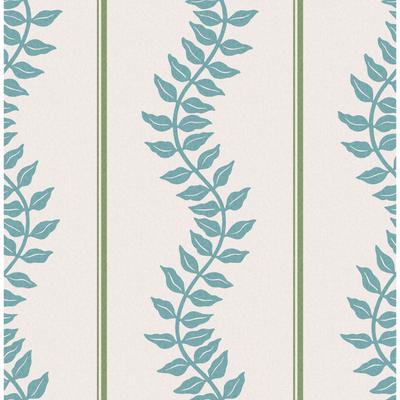
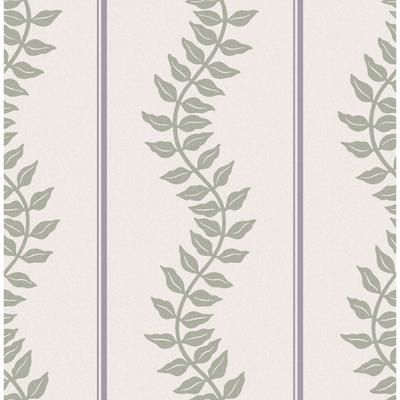
Graham & Brown Laurel Leaf Stripe Mauve & Sage WallpaperWith intricate vines and stripes, the Laurel Leaf Stripe wallpaper in mauve and sage brings a hint of nature into your home. The gentle mauve and green hues foster a serene ambiance, making it ideal for any space.168,00 $*Shipping: 0,00 $Secure redirect to the provider
-
Graham & Brown Flame Leaf Sage Wallpaper"Features: Quick & easy non-woven ""Paste the Wall"" wallpaper Apply paste directly to the wall (no decorating table or pre-cutting required) Spongeable Strippable: removes dry in full strips with minimal residue Pattern match: Offset; Pattern repeat:..."159,60 $*Shipping: 0,00 $Secure redirect to the provider
-
How do the brown leaf edges and brown spots on some of the rubber plant's leaves look?
The brown leaf edges on the rubber plant's leaves appear dry and crispy, with a distinct line of discoloration separating the brown from the healthy green part of the leaf. The brown spots on the leaves are small and irregularly shaped, often surrounded by a yellow halo. These symptoms may indicate issues such as overwatering, underwatering, or exposure to direct sunlight. **
-
What is the difference between a shade leaf and a sun leaf?
Shade leaves are typically larger and thinner than sun leaves, as they are adapted to capture as much light as possible in low-light conditions. They also have a higher chlorophyll content to maximize photosynthesis. Sun leaves, on the other hand, are smaller and thicker, with a waxy coating to help reduce water loss and protect against excessive sunlight. They are adapted to withstand the higher light intensity and heat of direct sunlight. **
-
What is the difference between a sun leaf and a shade leaf?
Sun leaves and shade leaves have different adaptations to optimize photosynthesis in their respective environments. Sun leaves are typically smaller, thicker, and have more chlorophyll to capture as much sunlight as possible. They also have a higher density of stomata to facilitate gas exchange. In contrast, shade leaves are larger, thinner, and have less chlorophyll to maximize light absorption in low light conditions. They also have a lower stomatal density to reduce water loss in shaded environments. Overall, these differences allow each type of leaf to efficiently capture and utilize the available light in their specific environment. **
-
What is the difference between shade leaf and sun leaf palisade tissue?
Shade leaf palisade tissue is typically thinner and contains fewer chloroplasts compared to sun leaf palisade tissue. This is because shade leaves are adapted to lower light conditions and therefore need to maximize light absorption. Sun leaf palisade tissue, on the other hand, is thicker and contains more chloroplasts to capture and utilize the abundant sunlight. These differences in palisade tissue structure and chloroplast density allow plants to efficiently photosynthesize in their respective light environments. **
* All prices are inclusive of VAT and, if applicable, plus shipping costs. The offer information is based on the details provided by the respective shop and is updated through automated processes. Real-time updates do not occur, so deviations can occur in individual cases. ** Note: Parts of this content were created by AI.