Buy surfclub.eu ?
We are moving the project
surfclub.eu .
Are you interested in purchasing the domain
surfclub.eu ?
domain@kv-gmbh.de · 0541-91531010
Buy surfclub.eu ?
Do sun leaves or shade leaves have more chlorophyll?
Sun leaves have more chlorophyll compared to shade leaves. This is because sun leaves are exposed to higher light intensity and need more chlorophyll to capture and convert light energy into chemical energy through photosynthesis. Shade leaves, on the other hand, receive less light and therefore have less chlorophyll to optimize their photosynthetic efficiency in low light conditions. **
What are sun leaves and shade leaves in biology?
In biology, sun leaves and shade leaves refer to the different types of leaves that plants develop in response to varying light conditions. Sun leaves are typically smaller, thicker, and have a higher density of chlorophyll, which allows them to efficiently capture and utilize the intense sunlight in open, sunny environments. On the other hand, shade leaves are larger, thinner, and have a lower density of chlorophyll, which helps them maximize light capture in low-light, shaded areas. This adaptation allows plants to optimize their photosynthetic efficiency in different light environments. **

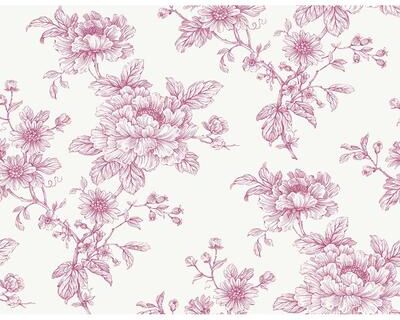
Similar search terms for NextWall-Sketched-Leaves-Peel
Top-Angebote
Products related to NextWall-Sketched-Leaves-Peel:
-
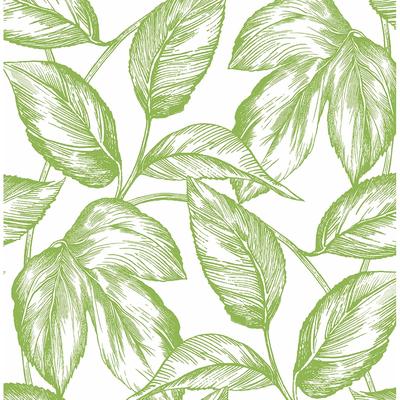
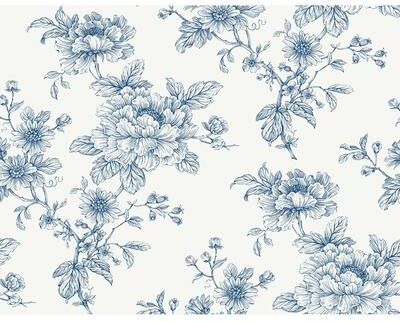
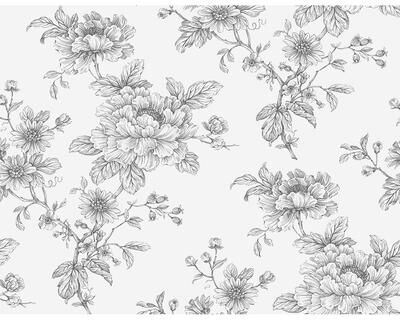
NextWall Sketched Leaves Peel and Stick WallpaperShowcase your unique style with this playful Sketched Leaf peel and stick wallpaper pattern from NextWall. The crisp background highlights the vibrantly illustrated leaves and allows plenty of room for creative interpretation.34,99 $*Shipping: 0,00 $Secure redirect to the provider
-
Why are sun leaves thicker and smaller than shade leaves?
Sun leaves are thicker and smaller than shade leaves because they need to withstand higher levels of sunlight and heat. The thicker cuticle and higher density of cells in sun leaves help to reduce water loss and protect the leaf from damage caused by intense sunlight. Additionally, the smaller size of sun leaves helps to minimize the surface area exposed to the sun, reducing the risk of overheating and dehydration. In contrast, shade leaves are thinner and larger to maximize their ability to capture available light in low-light conditions. **
-
What is the extended length l in cm of the sketched bracket?
The extended length l of the sketched bracket can be calculated by adding the length of the vertical section to the length of the horizontal section. In the sketched bracket, the vertical section has a length of 8 cm, and the horizontal section has a length of 6 cm. Therefore, the extended length l of the sketched bracket is 8 cm + 6 cm = 14 cm. **
-
How does the diagram of the shade leaves compare to the sun leaves?
The diagram of the shade leaves typically shows larger, thinner leaves with a larger surface area compared to the sun leaves. This is because shade leaves are adapted to capture more light in low light conditions. Sun leaves, on the other hand, are typically smaller and thicker with a smaller surface area to reduce water loss and protect against excessive sunlight. Overall, shade leaves are designed for efficient light capture in low light environments, while sun leaves are adapted for protection against intense sunlight. **
-
Do sun or shade leaves have more chlorophyll?
Sun leaves have more chlorophyll compared to shade leaves. This is because sun leaves are exposed to higher light intensity and need more chlorophyll to capture and utilize the light energy for photosynthesis. Shade leaves, on the other hand, have adapted to lower light levels by having less chlorophyll and a higher chlorophyll a/b ratio to maximize light absorption in low light conditions. **

What are sun and shade leaves in biology?
In biology, sun leaves and shade leaves refer to the different types of leaves that plants develop in response to their light environment. Sun leaves are typically found on plants growing in direct sunlight and are adapted to efficiently capture and utilize light for photosynthesis. They are often thicker, have more chlorophyll, and are more compactly arranged to maximize light absorption. Shade leaves, on the other hand, are found on plants growing in shaded environments and are adapted to capture and utilize the limited light available. They are often larger, thinner, and have a higher surface area to maximize light capture. These adaptations allow plants to optimize their photosynthetic efficiency in different light conditions. **
Why do fingers peel?
Fingers can peel due to a variety of reasons, including dry skin, sunburn, allergic reactions, or contact dermatitis. When the skin on the fingers becomes dry or damaged, it can lead to peeling as the body tries to shed the dead skin cells. It is important to keep the skin on the fingers moisturized and protected to prevent peeling and maintain healthy skin. **
Top-Angebote
Products related to NextWall-Sketched-Leaves-Peel:
-
NextWall Sketched Leaves Peel and Stick WallpaperShowcase your unique style with this playful Sketched Leaf peel and stick wallpaper pattern from NextWall. The crisp background highlights the vibrantly illustrated leaves and allows plenty of room for creative interpretation.34,99 $*Shipping: 0,00 $Secure redirect to the provider
-
Do sun leaves or shade leaves have more chlorophyll?
Sun leaves have more chlorophyll compared to shade leaves. This is because sun leaves are exposed to higher light intensity and need more chlorophyll to capture and convert light energy into chemical energy through photosynthesis. Shade leaves, on the other hand, receive less light and therefore have less chlorophyll to optimize their photosynthetic efficiency in low light conditions. **
-
What are sun leaves and shade leaves in biology?
In biology, sun leaves and shade leaves refer to the different types of leaves that plants develop in response to varying light conditions. Sun leaves are typically smaller, thicker, and have a higher density of chlorophyll, which allows them to efficiently capture and utilize the intense sunlight in open, sunny environments. On the other hand, shade leaves are larger, thinner, and have a lower density of chlorophyll, which helps them maximize light capture in low-light, shaded areas. This adaptation allows plants to optimize their photosynthetic efficiency in different light environments. **
-
Why are sun leaves thicker and smaller than shade leaves?
Sun leaves are thicker and smaller than shade leaves because they need to withstand higher levels of sunlight and heat. The thicker cuticle and higher density of cells in sun leaves help to reduce water loss and protect the leaf from damage caused by intense sunlight. Additionally, the smaller size of sun leaves helps to minimize the surface area exposed to the sun, reducing the risk of overheating and dehydration. In contrast, shade leaves are thinner and larger to maximize their ability to capture available light in low-light conditions. **
-
What is the extended length l in cm of the sketched bracket?
The extended length l of the sketched bracket can be calculated by adding the length of the vertical section to the length of the horizontal section. In the sketched bracket, the vertical section has a length of 8 cm, and the horizontal section has a length of 6 cm. Therefore, the extended length l of the sketched bracket is 8 cm + 6 cm = 14 cm. **
Similar search terms for NextWall-Sketched-Leaves-Peel
-
NextWall Sketched Leaves Peel and Stick WallpaperShowcase your unique style with this playful Sketched Leaf peel and stick wallpaper pattern from NextWall. The crisp background highlights the vibrantly illustrated leaves and allows plenty of room for creative interpretation.34,99 $*Shipping: 0,00 $Secure redirect to the provider
-
How does the diagram of the shade leaves compare to the sun leaves?
The diagram of the shade leaves typically shows larger, thinner leaves with a larger surface area compared to the sun leaves. This is because shade leaves are adapted to capture more light in low light conditions. Sun leaves, on the other hand, are typically smaller and thicker with a smaller surface area to reduce water loss and protect against excessive sunlight. Overall, shade leaves are designed for efficient light capture in low light environments, while sun leaves are adapted for protection against intense sunlight. **
-
Do sun or shade leaves have more chlorophyll?
Sun leaves have more chlorophyll compared to shade leaves. This is because sun leaves are exposed to higher light intensity and need more chlorophyll to capture and utilize the light energy for photosynthesis. Shade leaves, on the other hand, have adapted to lower light levels by having less chlorophyll and a higher chlorophyll a/b ratio to maximize light absorption in low light conditions. **
-
What are sun and shade leaves in biology?
In biology, sun leaves and shade leaves refer to the different types of leaves that plants develop in response to their light environment. Sun leaves are typically found on plants growing in direct sunlight and are adapted to efficiently capture and utilize light for photosynthesis. They are often thicker, have more chlorophyll, and are more compactly arranged to maximize light absorption. Shade leaves, on the other hand, are found on plants growing in shaded environments and are adapted to capture and utilize the limited light available. They are often larger, thinner, and have a higher surface area to maximize light capture. These adaptations allow plants to optimize their photosynthetic efficiency in different light conditions. **
-
Why do fingers peel?
Fingers can peel due to a variety of reasons, including dry skin, sunburn, allergic reactions, or contact dermatitis. When the skin on the fingers becomes dry or damaged, it can lead to peeling as the body tries to shed the dead skin cells. It is important to keep the skin on the fingers moisturized and protected to prevent peeling and maintain healthy skin. **
* All prices are inclusive of VAT and, if applicable, plus shipping costs. The offer information is based on the details provided by the respective shop and is updated through automated processes. Real-time updates do not occur, so deviations can occur in individual cases. ** Note: Parts of this content were created by AI.