Buy surfclub.eu ?
We are moving the project
surfclub.eu .
Are you interested in purchasing the domain
surfclub.eu ?
domain@kv-gmbh.de · 0541-91531010
Buy surfclub.eu ?
With what can one sand a small garden pond?
One can sand a small garden pond using sandpaper or a sanding block. It is important to use a fine-grit sandpaper to avoid damaging the surface of the pond. Sanding can help smooth out any rough or uneven areas in the pond, preparing it for refinishing or repainting. Make sure to clean the pond thoroughly after sanding to remove any dust or debris. **
What can be used to sand a small garden pond?
To sand a small garden pond, you can use sandpaper, sanding blocks, or a power sander. Sandpaper is ideal for smaller areas and intricate details, while sanding blocks provide a more even surface. A power sander can make the job quicker and easier, especially for larger ponds. Make sure to use the appropriate grit of sandpaper or sanding tool based on the material of your pond to avoid damaging it. **

Similar search terms for Pond
Top-Angebote
Products related to Pond:
-
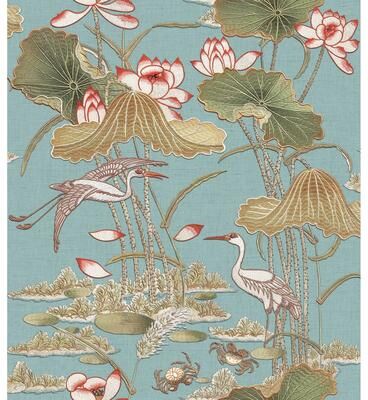
NextWall Lily Pond Peel and Stick WallpaperInspired by 19th century art from the French Impressionism era, this Lily Pond peel and stick wallpaper pattern by NextWall reflects a sea of lush greenery with pops of pink water lilies floating on the horizon.34,99 $*Shipping: 0,00 $Secure redirect to the provider


-
Does sand in the pond affect the freezing point of water?
Yes, adding sand to a pond can affect the freezing point of water. When sand is added to water, it can act as a nucleation site, providing a surface for ice crystals to form. This can lower the freezing point of the water, causing it to freeze at a slightly lower temperature than pure water. Additionally, the presence of sand can also affect the rate at which the water freezes, as it can impact the movement and distribution of water molecules. **
-
What does a pond edge with an asbestos wave plate look like?
A pond edge with an asbestos wave plate would have a unique and distinctive appearance. The wave plate would be made of asbestos material, which is typically gray in color and has a wavy pattern. It would be installed along the edge of the pond, providing a decorative and functional border. The wave plate design would add a modern and industrial touch to the pond's surroundings. **
-
How many pond snails are there in a 10,000-liter pond?
The number of pond snails in a 10,000-liter pond can vary depending on factors such as food availability, water quality, and predation. However, a rough estimate could be around 100-200 pond snails per liter of water, which would mean there could be approximately 1,000,000-2,000,000 pond snails in a 10,000-liter pond. It's important to note that this is just an estimate and the actual number could be higher or lower. **
-
What are pond models?
Pond models are simplified representations of natural pond ecosystems that are used for scientific research and educational purposes. These models typically include physical components such as water, soil, plants, and small animals, as well as biological components such as bacteria, algae, and other microorganisms. Pond models are used to study ecological processes, nutrient cycling, and the impacts of environmental changes on aquatic ecosystems. They provide a controlled environment for researchers to manipulate variables and observe the effects on the pond ecosystem. **

Are pond mussels edible?
Yes, pond mussels are edible and can be consumed by humans. However, it is important to ensure that the mussels are harvested from clean and unpolluted waters, as they can accumulate toxins and pollutants from their environment. It is also important to properly clean and cook the mussels to reduce the risk of foodborne illness. Additionally, it is recommended to check with local regulations and guidelines for harvesting and consuming wild mussels. **
What are pond zones?
Pond zones are different areas within a pond that have distinct characteristics and support different types of plant and animal life. These zones can include the littoral zone, which is the shallow area near the shore where aquatic plants grow; the limnetic zone, which is the open water area where phytoplankton and zooplankton thrive; and the profundal zone, which is the deep, dark area where decomposing organic matter accumulates. Each zone plays a unique role in the pond ecosystem and contributes to its overall health and biodiversity. **
Top-Angebote
Products related to Pond:
-
With what can one sand a small garden pond?
One can sand a small garden pond using sandpaper or a sanding block. It is important to use a fine-grit sandpaper to avoid damaging the surface of the pond. Sanding can help smooth out any rough or uneven areas in the pond, preparing it for refinishing or repainting. Make sure to clean the pond thoroughly after sanding to remove any dust or debris. **
-
What can be used to sand a small garden pond?
To sand a small garden pond, you can use sandpaper, sanding blocks, or a power sander. Sandpaper is ideal for smaller areas and intricate details, while sanding blocks provide a more even surface. A power sander can make the job quicker and easier, especially for larger ponds. Make sure to use the appropriate grit of sandpaper or sanding tool based on the material of your pond to avoid damaging it. **
-
Does sand in the pond affect the freezing point of water?
Yes, adding sand to a pond can affect the freezing point of water. When sand is added to water, it can act as a nucleation site, providing a surface for ice crystals to form. This can lower the freezing point of the water, causing it to freeze at a slightly lower temperature than pure water. Additionally, the presence of sand can also affect the rate at which the water freezes, as it can impact the movement and distribution of water molecules. **
-
What does a pond edge with an asbestos wave plate look like?
A pond edge with an asbestos wave plate would have a unique and distinctive appearance. The wave plate would be made of asbestos material, which is typically gray in color and has a wavy pattern. It would be installed along the edge of the pond, providing a decorative and functional border. The wave plate design would add a modern and industrial touch to the pond's surroundings. **
Similar search terms for Pond
-
NextWall Lily Pond Peel and Stick WallpaperInspired by 19th century art from the French Impressionism era, this Lily Pond peel and stick wallpaper pattern by NextWall reflects a sea of lush greenery with pops of pink water lilies floating on the horizon.34,99 $*Shipping: 0,00 $Secure redirect to the provider
-
How many pond snails are there in a 10,000-liter pond?
The number of pond snails in a 10,000-liter pond can vary depending on factors such as food availability, water quality, and predation. However, a rough estimate could be around 100-200 pond snails per liter of water, which would mean there could be approximately 1,000,000-2,000,000 pond snails in a 10,000-liter pond. It's important to note that this is just an estimate and the actual number could be higher or lower. **
-
What are pond models?
Pond models are simplified representations of natural pond ecosystems that are used for scientific research and educational purposes. These models typically include physical components such as water, soil, plants, and small animals, as well as biological components such as bacteria, algae, and other microorganisms. Pond models are used to study ecological processes, nutrient cycling, and the impacts of environmental changes on aquatic ecosystems. They provide a controlled environment for researchers to manipulate variables and observe the effects on the pond ecosystem. **
-
Are pond mussels edible?
Yes, pond mussels are edible and can be consumed by humans. However, it is important to ensure that the mussels are harvested from clean and unpolluted waters, as they can accumulate toxins and pollutants from their environment. It is also important to properly clean and cook the mussels to reduce the risk of foodborne illness. Additionally, it is recommended to check with local regulations and guidelines for harvesting and consuming wild mussels. **
-
What are pond zones?
Pond zones are different areas within a pond that have distinct characteristics and support different types of plant and animal life. These zones can include the littoral zone, which is the shallow area near the shore where aquatic plants grow; the limnetic zone, which is the open water area where phytoplankton and zooplankton thrive; and the profundal zone, which is the deep, dark area where decomposing organic matter accumulates. Each zone plays a unique role in the pond ecosystem and contributes to its overall health and biodiversity. **
* All prices are inclusive of VAT and, if applicable, plus shipping costs. The offer information is based on the details provided by the respective shop and is updated through automated processes. Real-time updates do not occur, so deviations can occur in individual cases. ** Note: Parts of this content were created by AI.