Buy surfclub.eu ?
We are moving the project
surfclub.eu .
Are you interested in purchasing the domain
surfclub.eu ?
domain@kv-gmbh.de · 0541-91531010
Buy surfclub.eu ?
What happened to Austria and Prussia after 1866?
After the Austro-Prussian War of 1866, Austria was forced to cede control of several territories to Prussia, including Venetia and Holstein. This loss of territory weakened Austria's influence in the German Confederation and allowed Prussia to assert its dominance. Prussia then went on to form the North German Confederation, which excluded Austria and further solidified Prussian power in the region. This ultimately set the stage for the unification of Germany under Prussian leadership in 1871. **
What happened between Austria and Prussia in the year 1866?
In 1866, Austria and Prussia fought a brief but decisive conflict known as the Austro-Prussian War, also called the Seven Weeks' War. The war was primarily over the issue of German unification and the leadership of the German states. Prussia emerged victorious, establishing itself as the dominant power in the German-speaking world and leading to the creation of the North German Confederation, excluding Austria. This conflict marked a significant step towards the eventual unification of Germany under Prussian leadership. **
Similar search terms for 1866
Top-Angebote
Products related to 1866:



-
How big is the age difference in the year 1866?
In the year 1866, the age difference would depend on the specific individuals being compared. However, on average, the age difference between people in 1866 would likely be similar to the age differences we see today. In the 19th century, life expectancy was lower, so the average age difference between individuals may have been slightly smaller than it is today. However, without specific data on the age distribution in 1866, it is difficult to provide an exact average age difference for that year. **
-
What happened in the Middle Ages in the year 1866?
In the year 1866, the Middle Ages had long passed and Europe was in the midst of the Industrial Revolution. This period saw significant advancements in technology, industry, and urbanization. In 1866, the Austro-Prussian War took place, leading to the dissolution of the German Confederation and the emergence of Prussia as the dominant power in Germany. This event had far-reaching consequences for the balance of power in Europe and set the stage for the unification of Germany under Prussian leadership. Additionally, in 1866, the Transatlantic telegraph cable was successfully laid, revolutionizing communication between Europe and North America. **
-
What happened to Austria and Prussia in the year 1866?
In 1866, Austria and Prussia fought the Austro-Prussian War, also known as the Seven Weeks' War. This conflict was a result of the growing rivalry between the two powers over their influence in the German states. The war ended with a decisive Prussian victory at the Battle of Königgrätz, leading to the dissolution of the German Confederation and the exclusion of Austria from German affairs. As a result, Prussia emerged as the dominant power in the region and went on to form the North German Confederation, laying the groundwork for the eventual unification of Germany under Prussian leadership. **
-
How did Prussia become the dominant power in Germany by 1866?
Prussia became the dominant power in Germany by 1866 through a combination of military victories and strategic alliances. The Prussian army, led by skilled generals such as Otto von Bismarck and Helmuth von Moltke, won decisive battles against rival German states like Austria in the Austro-Prussian War of 1866. Additionally, Prussia formed alliances with other German states through the North German Confederation, which helped solidify its influence and control over the region. By the end of the war, Prussia emerged as the most powerful state in Germany, setting the stage for the eventual unification of Germany under Prussian leadership in 1871. **

Does the Corsair Vengeance RGB Pro only run at 1866 MHz?
No, the Corsair Vengeance RGB Pro memory modules are available in various speed options ranging from 2666 MHz to 4600 MHz. The specific speed of the RAM depends on the model and configuration chosen by the user. The 1866 MHz speed may be a specific option available for certain configurations, but the Vengeance RGB Pro series offers a wide range of speeds to cater to different performance needs. **
How did Prussia become the dominant power in Germany until 1866?
Prussia became the dominant power in Germany until 1866 through a combination of military strength, strategic alliances, and effective leadership. Prussia's military reforms under leaders like King Frederick William I and his son Frederick the Great helped build a powerful and disciplined army. Prussia also formed alliances with other German states, such as the North German Confederation, which allowed them to exert influence over the region. Additionally, Prussia's strong economy and industrial base gave them the resources needed to maintain their dominance in Germany. **
Top-Angebote
Products related to 1866:
-
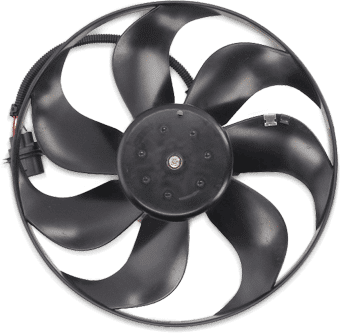
VEMO V15-01-1866 Fan, radiatorHeating/Cooling: Single Fan; Rated Power [W]: 200/ 60; Diameter: 290; Height: 80; Number of connectors: 3; Packaging width [cm]: 35,7; Packaging height [cm]: 35; Product line: Original Quality; Construction Year to: 04/2001, 04/2002; Vehicle Identification Number (VIN) from: 1J-YD135752, 1J-YU013168, 1JYB028537, 1JYP162201, 1JYW298084, 1J1000002, 1J1220002, 1JYD135752, 1JYU013168; TecDoc Engine Number: 9453, 16386, 16134, 15478, 16387, 15474; Transmission Type: 5-Speed Manual Transmission; Fitting Position: Left, Right; Vehicle Equipment: for vehicles with air conditioning, for vehicles without air conditioning, for vehicles with electr. auxiliary heater; Climate Zones: for hot climate zones; Construction Year from: 05/2001; for PR number: 9AB, 9AK, 9AM68,49 £*Shipping: 8,45 £Secure redirect to the provider
-
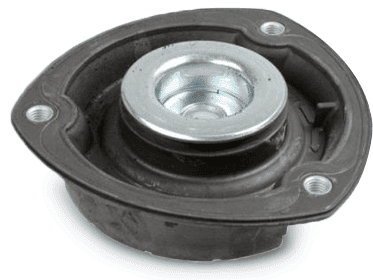
VAICO V30-1866 Top strut mountSupplementary Article / Supplementary Info Info 2: without bearing; Fitting Position: Front Axle; Weight [kg]: 1,014; Packaging width [cm]: 17,5; Packaging height [cm]: 6,5; Packaging Depth [cm]: 18,5; Supplementary Info: Original VAICO Quality; Braking/Driving Dynamics: for vehicles without Airmatic DC; Suspension: for vehicles without bad road version30,49 £*Shipping: 8,45 £Secure redirect to the provider
-
What happened to Austria and Prussia after 1866?
After the Austro-Prussian War of 1866, Austria was forced to cede control of several territories to Prussia, including Venetia and Holstein. This loss of territory weakened Austria's influence in the German Confederation and allowed Prussia to assert its dominance. Prussia then went on to form the North German Confederation, which excluded Austria and further solidified Prussian power in the region. This ultimately set the stage for the unification of Germany under Prussian leadership in 1871. **
-
What happened between Austria and Prussia in the year 1866?
In 1866, Austria and Prussia fought a brief but decisive conflict known as the Austro-Prussian War, also called the Seven Weeks' War. The war was primarily over the issue of German unification and the leadership of the German states. Prussia emerged victorious, establishing itself as the dominant power in the German-speaking world and leading to the creation of the North German Confederation, excluding Austria. This conflict marked a significant step towards the eventual unification of Germany under Prussian leadership. **
-
How big is the age difference in the year 1866?
In the year 1866, the age difference would depend on the specific individuals being compared. However, on average, the age difference between people in 1866 would likely be similar to the age differences we see today. In the 19th century, life expectancy was lower, so the average age difference between individuals may have been slightly smaller than it is today. However, without specific data on the age distribution in 1866, it is difficult to provide an exact average age difference for that year. **
-
What happened in the Middle Ages in the year 1866?
In the year 1866, the Middle Ages had long passed and Europe was in the midst of the Industrial Revolution. This period saw significant advancements in technology, industry, and urbanization. In 1866, the Austro-Prussian War took place, leading to the dissolution of the German Confederation and the emergence of Prussia as the dominant power in Germany. This event had far-reaching consequences for the balance of power in Europe and set the stage for the unification of Germany under Prussian leadership. Additionally, in 1866, the Transatlantic telegraph cable was successfully laid, revolutionizing communication between Europe and North America. **
Similar search terms for 1866
-
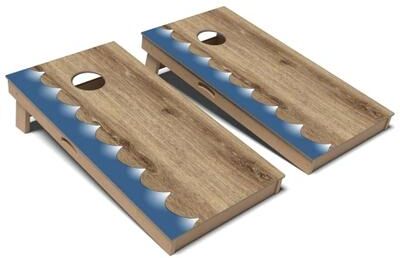
Skip's Garage Wave Surf Cornhole Board SetIncludes: (2) Cornhole Boards & (8) Bags. Easily Choose Your Board Size & Type. Bags Will Complement The Board Colors. Easily Message Us Bag Color Requests. Add Accessories like Carry Cases or LED Hole Lights.263,99 $*Shipping: 0,00 $Secure redirect to the provider
-
Skip's Garage Wave Surf Cornhole Board SetIncludes: (2) Cornhole Boards & (8) Bags. Easily Choose Your Board Size & Type. Bags Will Complement The Board Colors. Easily Message Us Bag Color Requests. Add Accessories like Carry Cases or LED Hole Lights.314,99 $*Shipping: 0,00 $Secure redirect to the provider
-
What happened to Austria and Prussia in the year 1866?
In 1866, Austria and Prussia fought the Austro-Prussian War, also known as the Seven Weeks' War. This conflict was a result of the growing rivalry between the two powers over their influence in the German states. The war ended with a decisive Prussian victory at the Battle of Königgrätz, leading to the dissolution of the German Confederation and the exclusion of Austria from German affairs. As a result, Prussia emerged as the dominant power in the region and went on to form the North German Confederation, laying the groundwork for the eventual unification of Germany under Prussian leadership. **
-
How did Prussia become the dominant power in Germany by 1866?
Prussia became the dominant power in Germany by 1866 through a combination of military victories and strategic alliances. The Prussian army, led by skilled generals such as Otto von Bismarck and Helmuth von Moltke, won decisive battles against rival German states like Austria in the Austro-Prussian War of 1866. Additionally, Prussia formed alliances with other German states through the North German Confederation, which helped solidify its influence and control over the region. By the end of the war, Prussia emerged as the most powerful state in Germany, setting the stage for the eventual unification of Germany under Prussian leadership in 1871. **
-
Does the Corsair Vengeance RGB Pro only run at 1866 MHz?
No, the Corsair Vengeance RGB Pro memory modules are available in various speed options ranging from 2666 MHz to 4600 MHz. The specific speed of the RAM depends on the model and configuration chosen by the user. The 1866 MHz speed may be a specific option available for certain configurations, but the Vengeance RGB Pro series offers a wide range of speeds to cater to different performance needs. **
-
How did Prussia become the dominant power in Germany until 1866?
Prussia became the dominant power in Germany until 1866 through a combination of military strength, strategic alliances, and effective leadership. Prussia's military reforms under leaders like King Frederick William I and his son Frederick the Great helped build a powerful and disciplined army. Prussia also formed alliances with other German states, such as the North German Confederation, which allowed them to exert influence over the region. Additionally, Prussia's strong economy and industrial base gave them the resources needed to maintain their dominance in Germany. **
* All prices are inclusive of VAT and, if applicable, plus shipping costs. The offer information is based on the details provided by the respective shop and is updated through automated processes. Real-time updates do not occur, so deviations can occur in individual cases. ** Note: Parts of this content were created by AI.