Buy surfclub.eu ?
We are moving the project
surfclub.eu .
Are you interested in purchasing the domain
surfclub.eu ?
domain@kv-gmbh.de · 0541-91531010
Buy surfclub.eu ?
How deep is the sand desert?
The depth of a sand desert can vary greatly depending on the location and specific characteristics of the desert. In general, the sand in a desert can range from a few centimeters to several meters deep. Some deserts may have sand dunes that reach heights of over 100 meters, while other areas may have a thin layer of sand covering a rocky desert floor. Overall, the depth of a sand desert is influenced by factors such as wind patterns, erosion, and the presence of vegetation. **
How deep is the sand in the desert?
The depth of sand in the desert can vary greatly depending on the location and specific desert environment. In some areas, the sand can be just a few inches deep, while in other areas it can be several feet deep. Sand dunes, which are common in deserts, can reach heights of hundreds of feet, with the sand shifting and changing constantly due to wind and other environmental factors. Overall, the depth of sand in the desert is not consistent and can range from shallow to very deep. **

Similar search terms for Antonina-Vella-Desert-Textile
Top-Angebote
Products related to Antonina-Vella-Desert-Textile:
-
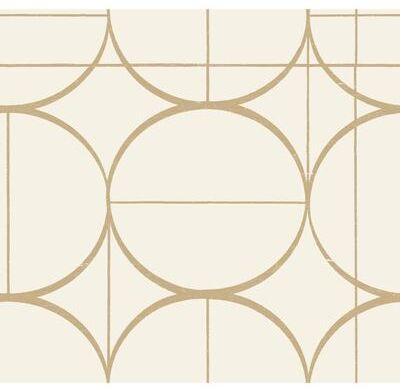
Antonina Vella Sun Circles Cream & Gold WallpaperSun Circle's perfect geometric form of circles, lines, and grids, when rendered in metallic, recall the streamlined elegance of the Art Deco style, shown in natural cream with gold meatllic .221,00 $*Shipping: 0,00 $Secure redirect to the provider
-
Antonina Vella Sun Circles Emerald & Gold WallpaperSun Circle's perfect geometric form of circles, lines, and grids, when rendered in metallic, recall the streamlined elegance of the Art Deco style, shown in verdant green with vintage gold metallic.221,00 $*Shipping: 0,00 $Secure redirect to the provider
-
Antonina Vella Sun Circles Blue & Silver WallpaperSun Circle's perfect geometric form of circles, lines, and grids, when rendered in metallic, recall the streamlined elegance of the Art Deco style, shown in cobalt blue with silver metallic.221,00 $*Shipping: 0,00 $Secure redirect to the provider



-
What lies beneath the sand in the desert?
Beneath the sand in the desert lies a complex ecosystem of plants, animals, and microorganisms that have adapted to survive in the harsh desert environment. Some desert plants have deep root systems that allow them to access water far below the surface, while desert animals have evolved specialized behaviors and physical adaptations to cope with the extreme temperatures and scarcity of water. Additionally, beneath the sand, there may be layers of rock, minerals, and even ancient fossils that provide clues about the geological history of the desert. **
-
How does the sand actually get into the desert?
Sand is formed from the erosion of rocks and minerals over time. This erosion can be caused by wind, water, or ice. Once the sand particles are formed, they can be transported by wind to the desert, where they accumulate over time. The process of sand accumulation in deserts is a slow one, taking thousands of years to create the vast dunes and landscapes we see today. **
-
What is retail textile?
Retail textile refers to the sale of fabrics, clothing, and other textile products directly to consumers through physical stores or online platforms. This sector includes a wide range of products such as apparel, home textiles, and accessories. Retail textile businesses often source their products from manufacturers and wholesalers, and then sell them to individual customers for personal use. The retail textile industry plays a significant role in the global economy and offers a diverse array of products to meet consumer needs and preferences. **
-
Are these textile beetles?
Without a specific image or description of the beetles in question, it is difficult to determine if they are textile beetles. Textile beetles, such as the varied carpet beetle and the black carpet beetle, are known for infesting and damaging textiles, carpets, and other natural fibers. If you suspect that you have textile beetles, it is best to consult with a pest control professional for proper identification and treatment. **

Is textile dye toxic?
Some textile dyes can be toxic, as they may contain harmful chemicals such as heavy metals, formaldehyde, and azo compounds. These toxic chemicals can have negative effects on human health and the environment, especially if they are not properly managed during the dyeing process and disposal. However, there are also eco-friendly and non-toxic textile dyes available that use natural and sustainable ingredients, making them a safer option for both consumers and the environment. It is important for consumers to be aware of the potential toxicity of textile dyes and to choose products that are certified as non-toxic and environmentally friendly. **
What is a textile?
A textile is a flexible material made by weaving, knitting, crocheting, or felting natural or synthetic fibers. Textiles are used to create a wide range of products, including clothing, household items such as towels and bedding, and industrial products such as filters and reinforcements for composite materials. Textiles can be made from a variety of materials, including cotton, wool, silk, polyester, and nylon. **
Top-Angebote
Products related to Antonina-Vella-Desert-Textile:
-
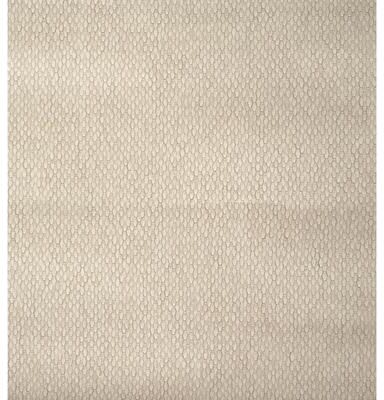
Antonina Vella Desert Textile Pink WallpaperThe ombre and flame stitch of pattern Desert Textile is a textural recreation of an indigenous tribal weave. This Desert Textile Wallpaper measures approximately 27 inches wide by 27 feet long, covering About 60.8 square feet per roll.170,00 $*Shipping: 0,00 $Secure redirect to the provider
-
Antonina Vella Sun Circles Cream & Gold WallpaperSun Circle's perfect geometric form of circles, lines, and grids, when rendered in metallic, recall the streamlined elegance of the Art Deco style, shown in natural cream with gold meatllic .221,00 $*Shipping: 0,00 $Secure redirect to the provider
-
How deep is the sand desert?
The depth of a sand desert can vary greatly depending on the location and specific characteristics of the desert. In general, the sand in a desert can range from a few centimeters to several meters deep. Some deserts may have sand dunes that reach heights of over 100 meters, while other areas may have a thin layer of sand covering a rocky desert floor. Overall, the depth of a sand desert is influenced by factors such as wind patterns, erosion, and the presence of vegetation. **
-
How deep is the sand in the desert?
The depth of sand in the desert can vary greatly depending on the location and specific desert environment. In some areas, the sand can be just a few inches deep, while in other areas it can be several feet deep. Sand dunes, which are common in deserts, can reach heights of hundreds of feet, with the sand shifting and changing constantly due to wind and other environmental factors. Overall, the depth of sand in the desert is not consistent and can range from shallow to very deep. **
-
What lies beneath the sand in the desert?
Beneath the sand in the desert lies a complex ecosystem of plants, animals, and microorganisms that have adapted to survive in the harsh desert environment. Some desert plants have deep root systems that allow them to access water far below the surface, while desert animals have evolved specialized behaviors and physical adaptations to cope with the extreme temperatures and scarcity of water. Additionally, beneath the sand, there may be layers of rock, minerals, and even ancient fossils that provide clues about the geological history of the desert. **
-
How does the sand actually get into the desert?
Sand is formed from the erosion of rocks and minerals over time. This erosion can be caused by wind, water, or ice. Once the sand particles are formed, they can be transported by wind to the desert, where they accumulate over time. The process of sand accumulation in deserts is a slow one, taking thousands of years to create the vast dunes and landscapes we see today. **
Similar search terms for Antonina-Vella-Desert-Textile
-
Antonina Vella Sun Circles Emerald & Gold WallpaperSun Circle's perfect geometric form of circles, lines, and grids, when rendered in metallic, recall the streamlined elegance of the Art Deco style, shown in verdant green with vintage gold metallic.221,00 $*Shipping: 0,00 $Secure redirect to the provider
-
Antonina Vella Sun Circles Blue & Silver WallpaperSun Circle's perfect geometric form of circles, lines, and grids, when rendered in metallic, recall the streamlined elegance of the Art Deco style, shown in cobalt blue with silver metallic.221,00 $*Shipping: 0,00 $Secure redirect to the provider
-
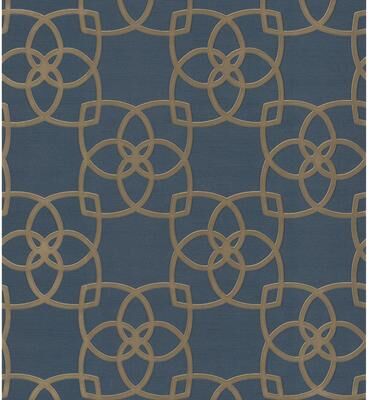
Antonina Vella Serendipity Navy WallpaperA four-leaf roulette of intersecting metallic flower petals interlock in a play of perfect geometry in pattern Serendipity. This Serendipity Wallpaper measures approximately 21 inches wide by 33 feet long, covering About 57.8 square feet per roll.187,00 $*Shipping: 0,00 $Secure redirect to the provider
-
Antonina Vella Galaxies White WallpaperSculptural shapes create a universe of textural, raised, freeform silhouettes on modern color in pattern Galaxies. This Galaxies Wallpaper measures approximately 27 inches wide by 27 feet long, covering About 60.8 square feet per roll.187,00 $*Shipping: 0,00 $Secure redirect to the provider
-
What is retail textile?
Retail textile refers to the sale of fabrics, clothing, and other textile products directly to consumers through physical stores or online platforms. This sector includes a wide range of products such as apparel, home textiles, and accessories. Retail textile businesses often source their products from manufacturers and wholesalers, and then sell them to individual customers for personal use. The retail textile industry plays a significant role in the global economy and offers a diverse array of products to meet consumer needs and preferences. **
-
Are these textile beetles?
Without a specific image or description of the beetles in question, it is difficult to determine if they are textile beetles. Textile beetles, such as the varied carpet beetle and the black carpet beetle, are known for infesting and damaging textiles, carpets, and other natural fibers. If you suspect that you have textile beetles, it is best to consult with a pest control professional for proper identification and treatment. **
-
Is textile dye toxic?
Some textile dyes can be toxic, as they may contain harmful chemicals such as heavy metals, formaldehyde, and azo compounds. These toxic chemicals can have negative effects on human health and the environment, especially if they are not properly managed during the dyeing process and disposal. However, there are also eco-friendly and non-toxic textile dyes available that use natural and sustainable ingredients, making them a safer option for both consumers and the environment. It is important for consumers to be aware of the potential toxicity of textile dyes and to choose products that are certified as non-toxic and environmentally friendly. **
-
What is a textile?
A textile is a flexible material made by weaving, knitting, crocheting, or felting natural or synthetic fibers. Textiles are used to create a wide range of products, including clothing, household items such as towels and bedding, and industrial products such as filters and reinforcements for composite materials. Textiles can be made from a variety of materials, including cotton, wool, silk, polyester, and nylon. **
* All prices are inclusive of VAT and, if applicable, plus shipping costs. The offer information is based on the details provided by the respective shop and is updated through automated processes. Real-time updates do not occur, so deviations can occur in individual cases. ** Note: Parts of this content were created by AI.